Caorunn
Last updated 16 May 2026
This page is the Caorunn data sheet: range, prices and where to buy. The full verdict is in our review, Caorunn Gin Guide: The Best-Value Premium Scottish Gin?.
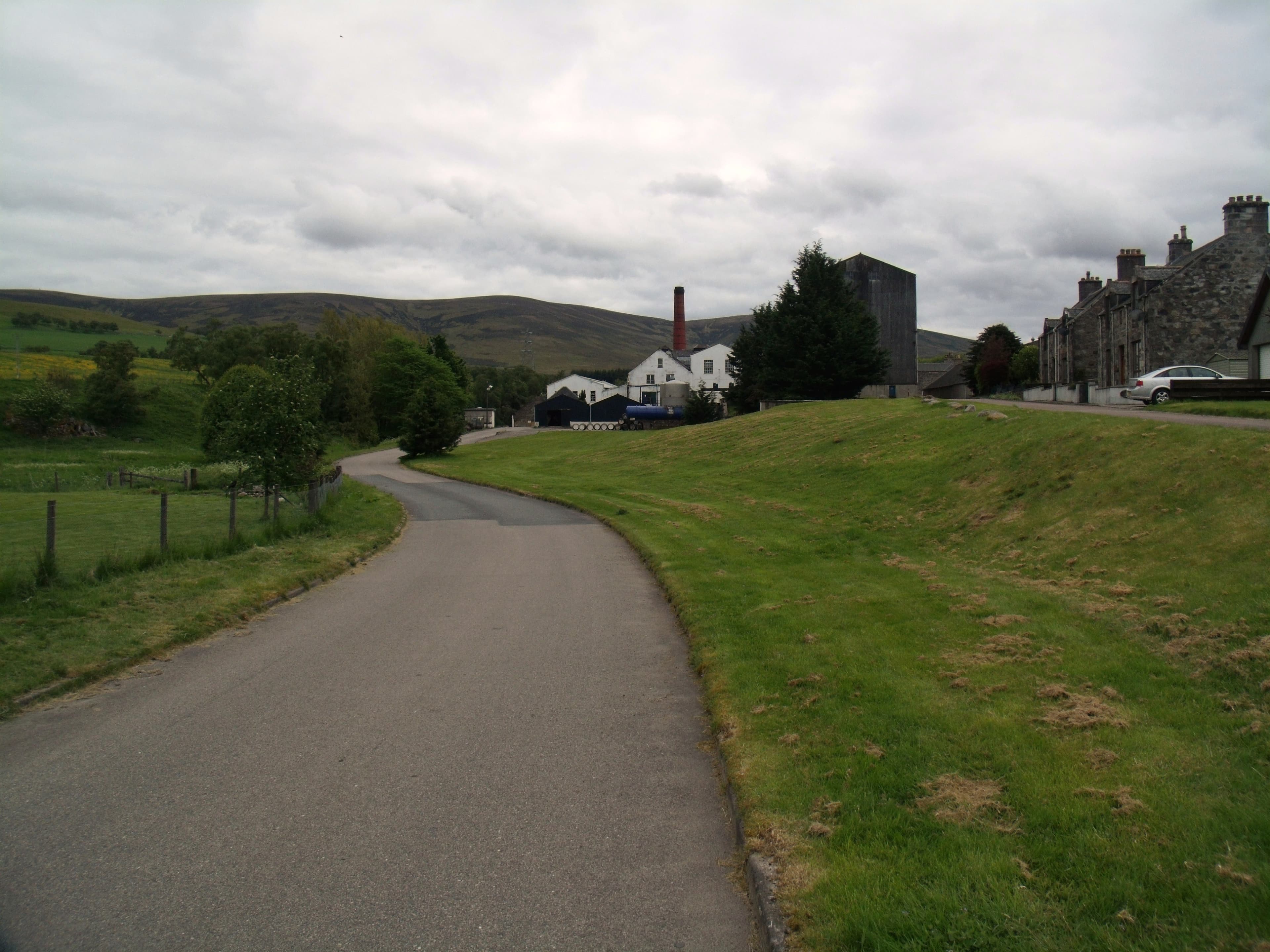
Made at Balmenach whisky distillery on Speyside, Caorunn (pronounced "ka-roon") uses five Celtic botanicals on top of the classic six. Vapour-infused in a unique copper berry chamber, with a clear apple note that sets it apart.
The best-value premium Scottish gin in any supermarket. Caorunn delivers a clear point of difference (the apple) at a price most quality contemporary gins can’t touch. Not as complex as The Botanist, not as floral as Hendrick’s, but better value than either as your house gin. The apple garnish is gimmicky on the bottle but actually works.
Tasting notes
Crisp, dry, and notably apple-led for a Scottish gin. The Coul Blush apple character comes through cleanly — not jammy or sweet, more like a green apple peel. A versatile mixer that punches above its sub-£30 price.
- Nose
- Fresh juniper, crisp apple, light citrus
- Palate
- Dry juniper, green apple peel, gentle floral mid-palate
- Finish
- Medium length, dry, slightly tart
Flavour profile
- juniper3/5
- citrus3/5
- floral3/5
- herbal3/5
- spice1/5
- sweet4/5
Botanicals
Six classic botanicals plus five Celtic ones — including Coul Blush apple, the variety that gives Caorunn its distinctive crisp apple note
How it’s made
- Production
- Caorunn is made at Balmenach using a unique copper berry chamber for vapour infusion. The base spirit is heated and the vapour passes slowly over the botanicals laid out on copper trays — a gentler extraction than a basket-style still.
- Still type
- Copper berry chamber (proprietary vapour-infusion still)
- Base spirit
- Neutral grain spirit
Perfect serve
Indian tonic, two slices of red apple, copa with plenty of ice.
- Tonic
- Indian tonic
- Garnish
- Two slices of red apple
- Ratio
- 1:3
- Ice
- Plenty of ice — the gin is light enough that dilution doesn’t hurt it.
The signature Caorunn serve uses red apple slices instead of lemon — it doubles down on the gin’s natural apple character. Works.
Cocktails to make with Caorunn
Caorunn Apple Spritz
Wine glass
- 40ml Caorunn
- 60ml dry sparkling wine
- 60ml apple juice (cloudy)
- Apple slice
Build over ice in a wine glass. Stir gently. Garnish with apple.
Food pairings
The apple character pairs with pork and orchard-fruit puddings remarkably well.
- Pork belly
- Goat’s cheese tart
- Apple cake
- Smoked trout
Where to buy
Supermarket availability
| Supermarket | Stocked | Typical price |
|---|---|---|
| tesco | Yes | £28 |
| sainsburys | Yes | £27 |
| waitrose | Yes | £30 |
| morrisons | Yes | £28 |
| asda | Yes | £26 |
| co-op | Yes | £30 |
Frequently asked questions
+How do you pronounce Caorunn?
"Ka-roon" — Gaelic for rowan berry, one of the gin’s key botanicals.
+What does Caorunn taste like?
Crisp, dry, and clearly apple-led — a clean green-apple-peel character, not sweet or jammy. Lighter and more apple-forward than Hendrick’s; fresher and less floral.
+Is Caorunn a good gin for the price?
Yes — it’s arguably the best-value premium Scottish gin in supermarkets. Sub-£28 in most stores, and noticeably more interesting than budget London Drys.
+Where is Caorunn made?
At Balmenach whisky distillery on Speyside, using a unique copper berry chamber for vapour infusion of the botanicals.
+Can I buy Caorunn gin in Asda?
Yes — Caorunn is stocked in Asda (around £26), plus Tesco, Sainsbury's, Morrisons, Waitrose and Co-op. It isn't sold in Aldi or Lidl.
Cocktails to make with Caorunn
Negroni
The Negroni is the bitter, complex, intensely red Italian classic — gin, Campari, sweet vermouth, equal parts. Served over a large ice cube with an orange peel. One of the few cocktails where Scotland's juniper-forward gins (The Botanist, classic London Dry-style Scottish gins) genuinely outperform the international standards. The right showcase for a serious Scottish gin.
Gin Martini
The Gin Martini is the cocktail that requires the most attention to the spirit itself. Gin, dry vermouth, ice, lemon peel or olive. No mixers, no sweeteners, nowhere to hide. The right Scottish gin in a properly-made Martini is one of the great drinking experiences. Hendrick's specifically is internationally famous for its Martinis, and several other Scottish gins — The Botanist, Caorunn — produce serious Martinis too.
Bramble
The Bramble is a modern British classic — gin, lemon, sugar, crushed ice, finished with crème de mûre (blackberry liqueur) drizzled over the top to look like a bleeding bramble bush. Invented in London in the 1980s by Dick Bradsell. The Scottish connection runs deep: 'bramble' is the Scots word for blackberry, and several Scottish gin producers make excellent companion blackberry liqueurs (Edinburgh Gin's Bramble Liqueur is the obvious pairing).
Compare with similar gins
Hendrick’s
contemporary · Lowland
The gin that kicked off the contemporary-style boom in the early 2000s. Made at William Grant's Girvan distillery in Ayrshire using two different stills — a Carter-Head and a copper pot — before blending. The unusual dark apothecary bottle was designed to stand out, and twenty years later it still does.
Edinburgh Gin
contemporary · Lowland
Edinburgh Gin Classic is the workhorse — a soft, juniper-light contemporary gin made in central Edinburgh. The brand's flavoured variants (Seaside, Rhubarb & Ginger, Raspberry) get more shelf space and probably more sales than the Classic, for better and worse.
Rock Rose
contemporary · Highland
Distilled at Dunnet Bay in Caithness, just down the road from John o'Groats. Rock Rose uses local botanicals including rhodiola rosea — the wildflower that gives the gin its name and a distinctive earthy character.
Plan your distillery visit
Related articles
10 min read
Scottish Gin in the Supermarkets: Which Shop Stocks What
Which Scottish gin each UK supermarket actually stocks — Harris at Tesco and Waitrose, Caorunn at Asda, Glaswegin at Tesco and Asda. One good bottle per shop, and the stock matrix for the big brands.
8 min read
Glaswegin Guide: Glasgow's Supermarket Gin (Asda, Tesco & Sainsbury's)
Glaswegin is the Glasgow gin you'll find in Asda, Tesco and Sainsbury's for around £25–30. What's actually in it, who makes it, how it tastes, and whether it beats Edinburgh Gin and Makar.
7 min read
Caorunn Gin Guide: The Best-Value Premium Scottish Gin?
Caorunn is Scotland's apple-led gin — distinctive, dry, properly Scottish. At £25–30 it consistently undercuts famous contemporary gins.