Glasgow & Clyde Valley Food & Drink Guide
Scotland's biggest city — restaurants rivalling Edinburgh at lower prices, the best curry scene in the UK, and a craft beer cluster on the rise
Last updated 17 May 2026
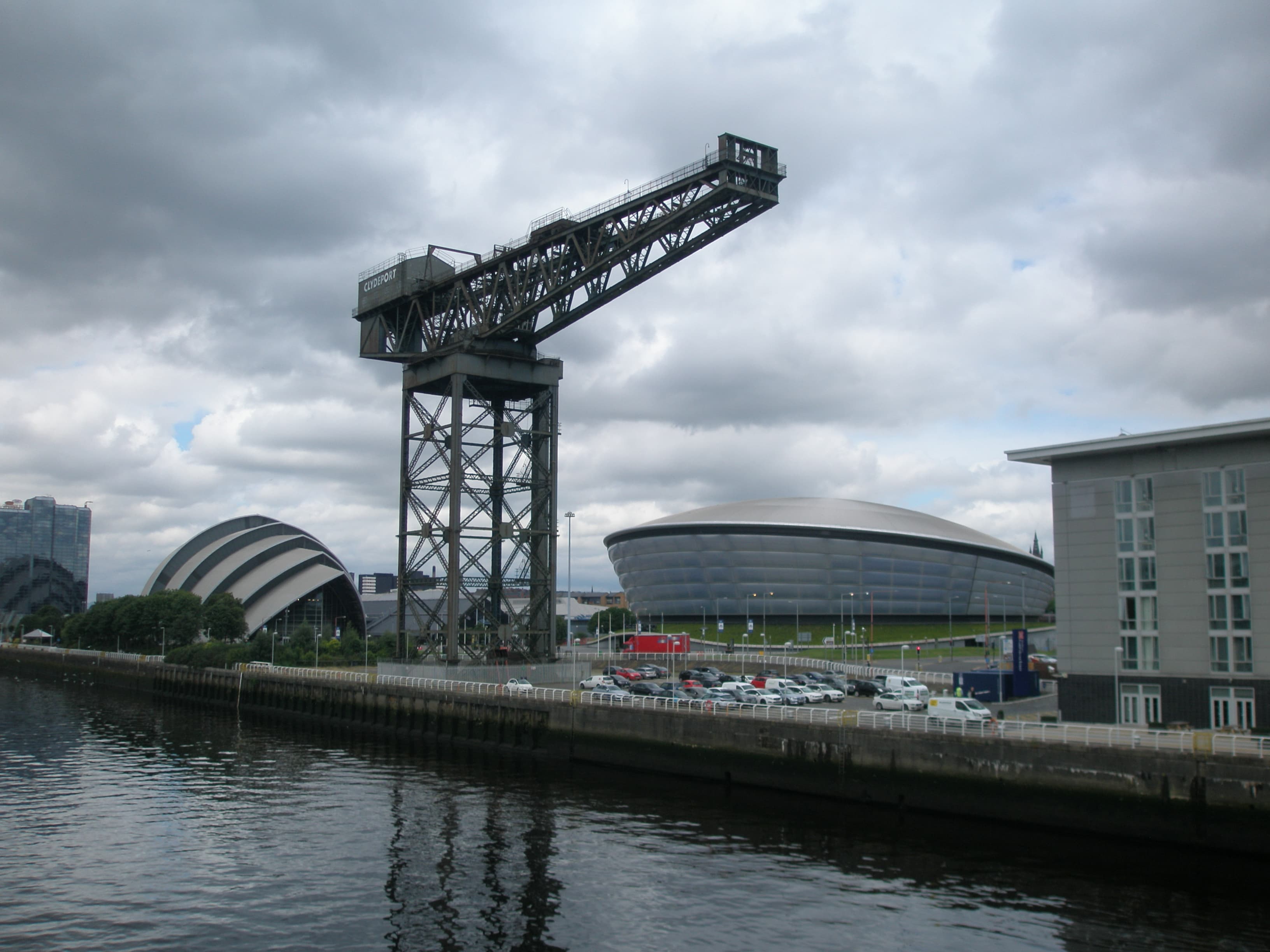
Glasgow is the underrated half of Scotland's food story. The city's restaurant scene rivals Edinburgh's in quality and consistently beats it on value — and Glaswegians defend that proposition with a passion. The curry scene is the best in Britain outside London (some say without the qualifier). The Finnieston strip — Argyle Street west of Kelvingrove — has become Scotland's most-densely interesting restaurant cluster in the last decade. Add four distilleries within an hour's drive (Auchentoshan, Glengoyne, Clydeside, Glasgow Distillery — three of them inside the city limits), a craft beer revival (Drygate, West, Overtone), and monthly farmers markets from Queens Park to Partick. This guide is for the trip you take when you've already done Edinburgh.
Why Glasgow & Clyde Valley matters
Glasgow has been Scotland's biggest city since the late 18th century but for most of the 20th its food reputation was the opposite of Edinburgh's. Edinburgh had the Michelin stars; Glasgow had the deep-fried Mars bar. That gap closed somewhere around 2010 with the rise of Finnieston, the curry-house renaissance, and a craft beer scene anchored by Drygate (East End), West Brewery (the Templeton building on Glasgow Green), and a wave of newcomers including Overtone.
**Finnieston** — the Argyle Street strip running west from Kelvingrove Park toward Partick — is now the densest restaurant cluster in Scotland. Crabshakk's tiny seafood counter started the wave in 2009. The Gannet, Ox and Finch, Number 16, Six By Nico, Halloumi, and a dozen others followed. The neighbourhood works because Glaswegians actually live there; unlike Edinburgh's Old Town it's not built for tourists.
**Glasgow's curry scene** is the city's other claim to national-level food significance. Mother India (Glasgow's longest-running iconic Indian, Argyle Street), Charcoals (Renfield Street), and a cluster of Punjabi, Bengali, and Pakistani restaurants make Glasgow the strongest non-London curry city in Britain. Many were founded by post-war South Asian migrants; the families that started them are still running them.
**Distilleries within reach** — Auchentoshan is in Clydebank (15 minutes by train from Glasgow Central), Clydeside is at the Riverside Museum in the city itself, Glasgow Distillery is in the southside, and Glengoyne is 30 minutes north at Killearn. All four are recent openings or revivals (Clydeside 2017, Glasgow Distillery 2015) except Auchentoshan, the long-established triple-distilled Lowland classic.
Beyond the city, the **Clyde Valley** extends south to Biggar (South Lanarkshire) and west to Greenock (Inverclyde). The Clyde Valley tomato glasshouses around Lanark have supplied Scottish restaurants for decades; the Biggar Farmers Market is the South Lanarkshire highlight. **West Dunbartonshire** reaches up to Loch Lomond shores (Loch Lomond Shores Market, and an entire Loch Lomond destination beyond).
The region at a glance
Best for
- ✓Restaurant-led trips on a more flexible budget than Edinburgh
- ✓Curry enthusiasts (Glasgow is the UK's best curry city)
- ✓Whisky drinkers wanting Lowland distillery access from a city base
- ✓Anyone wanting Scotland's biggest, most-honest urban food scene
Avoid if
- ✕You want a postcard-tourist experience (Edinburgh delivers that better)
- ✕You want quiet rural escape (the Clyde Valley extends but the city dominates)
- ✕You're avoiding spice (Glasgow's strongest food angle is South Asian)
- ✕You want a peated-whisky-focused trip (head to Islay)
Compare with
- Edinburgh & Lothians — the other Scottish big-city food scene — more touristy, more Michelin density, higher prices
- Speyside — the whisky-led rural alternative; Glasgow is its urban opposite
- Argyll — the western seaboard begins where Glasgow ends — natural extension west via Loch Lomond
Glasgow & Clyde Valley distilleries worth visiting
Four working distilleries within an hour of Glasgow city centre, and three of those are within the city limits or its immediate suburbs. Auchentoshan is the only major triple-distilled Scotch in regular production, Clydeside is the riverside revival, Glasgow Distillery is the city's first malt distillery in over 100 years, and Glengoyne is a 30-minute drive north at Killearn (unpeated Highland-tagged, sometimes described as Speyside-adjacent in style).
Auchentoshan
light-floral
Glengoyne
light-sherried
Tours from £25
Clydeside
light-fruity
The Glasgow Distillery Co
fruity-light
Tours from £45
| Distillery | Style | Tour from | Peat |
|---|---|---|---|
| Auchentoshan | light-floral | Check direct | Unpeated |
| Glengoyne | light-sherried | £25 | Unpeated |
| Clydeside | light-fruity | Check direct | Both: |
| The Glasgow Distillery Co | fruity-light | £45 | Unpeated |
Where to eat in Glasgow & Clyde Valley
Glasgow's serious restaurants concentrate in three areas: Finnieston (the densest cluster, Argyle Street west of Kelvingrove), the West End (Byres Road and Ashton Lane), and the curry scene scattered across the centre. The picks below are the names that consistently top Glasgow food lists and have held their reputations over multiple visits.
Cail Bruich
Glasgow's only Michelin-starred restaurant — gained the star in 2021. Brothers Chris and Lorna Charalambous run a tasting-menu-only operation on the Great Western Road. Book 4-6 weeks ahead.
Crabshakk
The tiny Argyle Street seafood counter that started the Finnieston wave in 2009. Tank-fresh shellfish, hand-cut chips, a daily-changing chalkboard menu. The most-influential restaurant in modern Glasgow.
The Gannet
Modern Scottish on Argyle Street's restaurant strip — Peter McKenna and Ivan Stein have run it since 2013. Strong seasonal sourcing, intelligent wine list, the textbook Finnieston dinner.
Ox and Finch
Small-plates restaurant that has run consistently busy since opening 2014. Open kitchen, daily menu, walk-ins possible at the bar. The most-recommended Glasgow neighbourhood dining.
Mother India
Monir Mohammed has run Mother India since 1990 — Scotland's most-awarded Indian restaurant, still family-operated. The tapas-style format (small plates of Indian classics) was Glasgow's invention.
Stravaigin
Long-established 'think global, eat local' Glasgow institution since 1994. Scottish ingredients, global influences, downstairs cafe bar plus formal restaurant. The textbook Glasgow West End dinner.
Eat, drink and shop in Glasgow & Clyde Valley: from our guides
34 places named in TasteSCOT’s published guides to Glasgow. Every card links to the article that recommends it.
Eat
Bread Meats Bread
RestaurantSt Vincent Street, city centre · Glasgow
Well-sourced beef burgers with a following across the city.
Celino's
RestaurantAlexandra Parade, East End · Glasgow
Italian-Scottish institution — lunch counter at the front, fuller restaurant at the back. Avoid Saturdays unless you've booked.
Gamba
RestaurantWest George Street, city centre · Glasgow
Long-running city-centre seafood specialist, more formal than Crabshakk.
Julie's Kopitiam
RestaurantPollokshaws Road, Southside · Glasgow
South-side Malaysian with a reputation worth crossing the river for. Small menu, cooked from scratch. BYOB, cash only.
Paesano
RestaurantMiller Street (also Great Western Road) · Glasgow
Neapolitan pizza at Scottish prices with a big local following. No bookings — expect to queue at peak times.
Sugo
RestaurantDuke Street, East End · Glasgow
Three or four pasta sauces rotated daily, a short no-frills menu and cheap prices.
Ubiquitous Chip
RestaurantAshton Lane, West End · Glasgow
A Glasgow institution since 1971, in a touristy lane but genuinely earning its reputation.
Unalome by Graeme Cheevers
RestaurantKelvingrove Street, Finnieston · Glasgow
Michelin-starred modern French-Scottish cooking.
Café Strange Brew
CaféSouthside · Glasgow
One of Glasgow's best breakfasts.
Singl-end
CaféGarnethill · Glasgow
A small café with a well-regarded breakfast and brunch menu at reasonable prices.
The Blue Lagoon
Fish & chipsMultiple locations · Glasgow
Glasgow's chippy institution — open late, and nothing artisan about it, which is the point.
Drink
Ben Nevis
PubArgyle Street, Finnieston · Glasgow
Small, no-frills whisky bar with a deep gantry and live trad music most evenings — a smaller, plainer alternative to The Pot Still for a late-evening dram.
Sloans
PubArgyle Street, city centre · Glasgow
Scotland's oldest pub-restaurant, with regular ceilidhs in the upstairs ballroom — the Burns Night one is among the best known in the country.
The Bon Accord
PubNorth Street, Charing Cross · Glasgow
Glasgow's best cask ale pub, full stop — 8–10 hand-pulls and over 500 whiskies behind the bar. No food beyond bar snacks.
The Pot Still
PubHope Street, city centre · Glasgow
Glasgow's defining whisky bar — family-run three generations deep, a vast gantry, and ask the bar for a steer in your price band. The food is pies.
The Scotia Bar
PubStockwell Street · Glasgow
Established 1792 and Glasgow's claim to the city's oldest pub, with regular folk and trad sessions — small, busy, cash bar.
Daddy Marmalades
BarParnie Street, Trongate · Glasgow
Small, inventive Trongate cocktail bar with a UK Top 50 listing, a playful customisable menu and homemade pizza.
Kelvingrove Café
BarArgyle Street, Finnieston · Glasgow
The classicist of the Finnieston strip — no concept, just the classics — Martinis and Old Fashioneds.
Òran Mór
BarGreat Western Road, West End · Glasgow
A converted church at the top of Byres Road with a lower-level bar, a trad-music tradition, and a busy events programme.
The Absent Ear
BarBrunswick Street, Merchant City · Glasgow
Glasgow’s proper speakeasy — hidden entrance, Van Gogh-themed room, award-winning seasonal cocktail menu.
The Finnieston
BarArgyle Street, Finnieston · Glasgow
Around 100 gins, a strong seafood menu, and a neighbourhood-restaurant format.
The Spiritualist
BarMiller Street, Merchant City · Glasgow
A well-regarded pick for modern Scottish cocktails in the Merchant City.
Drygate Brewery
Brewery taproomDuke Street, East End · Glasgow
The best brewery taproom in the city — eight to twelve of their own beers plus guests, pub food, and £10 Sunday brewery tours.
WEST Brewery
Brewery taproomTempleton Building, Glasgow Green · Glasgow
A Bavarian-style brewery in one of Glasgow's most distinctive buildings, brewing German styles — helles, hefeweizen, dunkel and pilsner. The food is German-Scottish — schnitzels and currywurst next to haggis and chips.
Shop
The Fish People
FishmongerSouthside · Glasgow
Part fishmonger, part café, with one of Glasgow's best-regarded fish counters and a fish soup with its own reputation. Get there early on Saturday.
George Mewes Cheese
CheesemongerByres Road, West End · Glasgow
Small West End cheesemonger with a strong Scottish selection — ask to taste before you buy, and look for the Isle of Mull Cheddar.
I.J. Mellis
CheesemongerGreat Western Road · Glasgow
The best cheesemonger in Scotland — they mature many cheeses in their own cellars. If you're buying one Scottish cheese, buy it here.
John Burns
ButcherByres Road, West End · Glasgow
Traditional West End butcher — Scottish beef and lamb and its own sausages. Not cheap, and a step up from supermarket meat.
Locavore
GrocerVictoria Road, Govanhill (also Dumbarton Road, Partick) · Glasgow
Organic grocery with a strong emphasis on Scottish and local sourcing — more expensive than Tesco, cheaper than you'd expect for organic. Good for pantry staples as well as fresh produce.
Roots, Fruits and Flowers
GrocerGreat Western Road & Byres Road · Glasgow
Good range of seasonal Scottish produce alongside imported exotics — a greengrocer alternative to supermarket produce sections.
See Woo
GrocerBain Street, near the Barras · Glasgow
Glasgow's Chinese supermarket — essential for anything East Asian, significantly cheaper and better stocked than any supermarket's world food aisle.
Mór Bottle Shop
Bottle shopHyndland Road, West End · Glasgow
The best craft-beer specialist in the West End — strong rotating Scottish range.
Producers worth knowing
Glasgow's specialist food shops are scattered through the West End (Byres Road / Hyndland) and the Southside (Shawlands, Strathbungo). The Clyde Valley extends the proposition with Biggar (South Lanarkshire) and Lanark tomato glasshouses.
Specialist shops
Roots, Fruits & Flowers
Great Western Road, West End
Long-established West End fruit and veg grocer — Glasgow's most consistent organic and specialist produce shop. Adjacent café serves vegetarian lunch.
Lupe Pintos Deli
Great Western Road
Scotland's only specialist Mexican deli — fresh tortillas, dried chillies, tequila and mezcal, plus prepared salsa and mole. Quirky, useful, well-loved by Glasgow's Mexican-food cooks.
Demijohn
Byres Road, West End
Specialist deli for refillable jars of oil, vinegar, liqueurs, and bottled craft spirits. Glasgow original (founded 2004), with sister shops in Edinburgh and Oxford.
Craft beer & spirits in Glasgow & Clyde Valley
Glasgow's craft beer scene is the most-distributed in Scotland. Overtone (in our data) is one of several recent independents; Drygate (in the East End, in partnership with Tennent's), West Brewery (in the Templeton building on Glasgow Green), Williams Bros (Alloa), and Tennent's Caledonian (the iconic Glasgow lager brand since 1885) anchor the wider beer culture.
Breweries
Towns to visit in Glasgow & Clyde Valley
Pick a base. Each of these towns has a TasteSCOT food guide; many also appear on our sister sites with travel and companion content — natural next reads when you’re planning a trip.
Glasgow
Scotland's biggest city, strong craft beer scene and the country's best Indian-Scottish food crossover
Markets & events in Glasgow & Clyde Valley
Glasgow's monthly markets are concentrated in two clusters: the city itself (Queens Park, Partick) and the wider Clyde Valley (Milngavie north of Glasgow, Biggar in South Lanarkshire, Loch Lomond Shores).
Farmers markets
What’s distinctively Glasgow & Clyde Valley
Glasgow's curry tradition
Glasgow's curry scene is the strongest in Britain outside London. Mother India (Argyle Street, founded 1990) is the iconic name; the tapas-style 'small plates of Indian classics' format was Glasgow's invention. The wider scene spans Punjabi, Bengali, and Pakistani restaurants across the city centre — including the historic Sarti, Charcoals, and the Wee Curry Shop chain.
The Finnieston restaurant strip
Argyle Street's Finnieston section (between Kelvingrove Park and Partick) is the densest serious restaurant cluster in Scotland. Crabshakk (2009) started the wave; The Gannet, Ox and Finch, Six By Nico, Halloumi, Brett, Number 16 followed. A 600-metre walk takes you past 20+ credible restaurants — unmatched anywhere else in the UK outside London.
Triple-distilled Lowland whisky
Auchentoshan in Clydebank (15 minutes by train from Glasgow Central) is the only major triple-distilled Scotch in regular production. The American Oak entry expression is one of the gentlest single malts on the supermarket shelf — a textbook Lowland introduction for new Scotch drinkers.
Glasgow Whisky Festival
Held annually in November at the Marriott Hotel Glasgow. Smaller than Spirit of Speyside or Fèis Ìle but with a strong showing of independent bottlers and bonders. Glasgow's standout whisky event of the year.
Clyde Valley tomatoes
The glasshouses around Lanark (Clyde Valley) have supplied Scottish restaurants and supermarkets with tomatoes since the early 1900s. Look for Clyde Valley sourcing on Glasgow restaurant menus through the summer; quality is significantly higher than imported supermarket fare.
When to visit Glasgow & Clyde Valley
Glasgow's restaurant scene runs year-round — unlike Edinburgh, the August Fringe doesn't dominate, and the Christmas markets are smaller. May/June and September are the goldilocks months. Glasgow Whisky Festival in November is a specialist event rather than a city-wide drive.
Visit Glasgow in February. Cold, atmospheric, quiet, and the best restaurants take walk-in bookings. Hotels are 30-50% cheaper than peak. The pub scene comes into its own (Glasgow is one of Britain's great pub cities).
Where to stay in Glasgow & Clyde Valley
Stay in the West End (near Kelvingrove and Byres Road) for restaurants and walkability. The city centre (around George Square or Buchanan Street) is cheaper, convenient for train stations, and walking distance to the curry corridor. Finnieston itself has limited hotel options but several Airbnbs. The Southside (Shawlands, Strathbungo) is the locals' choice and quieter.
The map is centred on a Glasgow & Clyde Valley food and drink trip — set your dates on it, or go straight to hotels, B&Bs and self-catering through the providers underneath.
Booking links are affiliate links — we earn a small commission at no extra cost to you.
Luxury
Five-star hotel in a Regency square; iLuke Holyer-led restaurant on-site.
Best value
Mid-range chains with central locations. Citizen M and Native are both walking distance from Sauchiehall Street and the Finnieston strip.
B&B opposite Kelvingrove Park — walking distance to Cail Bruich, Finnieston, and the West End restaurants.
Best for distillery proximity
West End-area accommodation, walking distance to Byres Road restaurants and Clydeside Distillery.
Best for families
Family-friendly chains with central locations, walking distance to most attractions.
Best self-catering
Glasgow has a strong Airbnb/serviced-apartment market — better value for stays of 3+ nights, especially in the West End.
Getting to Glasgow & Clyde Valley
M8 direct
LNER / Avanti to Glasgow Central; or fly LHR/LGW/STN/LCY to GLA
A90 / M90 / M9
A9 south via Perth and Stirling
Scotland's second-busiest airport. M8 direct to city centre; Glasgow Airport Express bus serves the centre 24/7.
Low-cost airline hub, mainly Ryanair. Trains direct to Glasgow Central from the airport station underneath the terminal.
Alternative gateway with more international connections, especially North America.
Excellent within the city, decent across the wider region. Glasgow Subway (the third-oldest underground in the world) runs a circular route through the West End and Southside. ScotRail trains reach the suburbs and beyond: Auchentoshan is 15 minutes from Glasgow Queen Street to Kilpatrick station; Biggar (Clyde Valley) is reachable by Citylink bus; Greenock and the Clyde estuary by train. For Glengoyne (Killearn) and the wider rural Clyde Valley, a car is the better option. Edinburgh-Glasgow train runs every 15 minutes during the day (50 minutes journey, £15-25 single).
How to plan a Glasgow & Clyde Valley trip
Long weekend (3 days)
3 daysEasy — walkable city· Best for: First Glasgow food trip
Long weekend (3 days)
- FridayArrive Glasgow Central by train or fly to GLA. Check into the West End or city centre. Late afternoon at Glasgow Distillery (Southside, book ahead). Dinner at Ox and Finch (walk-in or book) or The Gannet (book ahead).
- SaturdayMorning at Glasgow Farmers Market (Queens Park, second Saturday of the month). Lunch at Crabshakk. Afternoon: Clydeside Distillery tour (book ahead). Dinner at Cail Bruich (book 4-6 weeks ahead) or Stravaigin if Cail Bruich is full.
- SundayBrunch at Brett or one of the Finnieston cafes. Train to Kilpatrick (15 min) for Auchentoshan Distillery tour. Lunch at the distillery cafe. Return to Glasgow, late-afternoon flight or train home.
Curry-focused weekend (2 days)
2 daysEasy — central restaurant cluster· Best for: Indian-cuisine enthusiasts
Curry-focused weekend (2 days)
- FridayCheck into a city-centre hotel. Lunch at one of the Wee Curry Shops or Charcoals on Renfield Street. Afternoon: walk through the Merchant City and Buchanan Street. Dinner at Mother India (Argyle Street, the iconic name — book ahead).
- SaturdayBrunch in the West End. Lunch at the Wee Curry Shop (West End branch) or Akbars. Afternoon: visit the Kelvingrove Museum or the Riverside Museum. Dinner at one of the Pakistani or Bengali restaurants on Renfield or Sauchiehall — your hotel concierge will know which is on form right now.
Whisky weekend (3 days)
3 daysEasy — 4 distilleries within an hour· Best for: Whisky drinkers using Glasgow as a base
Whisky weekend (3 days)
- FridayTrain to Glasgow Central. Check into West End accommodation. Clydeside Distillery tour (riverside, walking distance from the city centre). Dinner at The Gannet.
- SaturdayMorning: train to Kilpatrick (15 min) for Auchentoshan tour. Lunch back in Glasgow at Crabshakk. Afternoon: drive (or taxi) to Glengoyne Distillery in Killearn (30 min north). Dinner at Cail Bruich.
- SundayLate breakfast. Glasgow Distillery tour in the Southside (book ahead). Lunch at Stravaigin or Mother India. Late afternoon flight or train home.
Map
Glasgow & Clyde Valley FAQ
+Is Glasgow a better food destination than Edinburgh?
It's a different proposition — and many Scots argue Glasgow wins on value and authenticity. Edinburgh has more Michelin density and more tourist-led tasting menus; Glasgow has the better neighbourhood restaurant scene (Finnieston), the strongest curry tradition in Britain outside London, and consistently lower prices for comparable quality. Both cities reward a 3-4 day visit; if you can only do one and you've never been to Scotland, choose Edinburgh first; if you've already done Edinburgh or you live in Britain, Glasgow is the more interesting return visit.
+What's the best Glasgow restaurant?
Cail Bruich is the Michelin-starred answer (Great Western Road, tasting-menu format, book 4-6 weeks ahead). For Finnieston: The Gannet or Crabshakk. For the textbook Glasgow West End dinner: Stravaigin or Ox and Finch. For Indian: Mother India (the iconic name) or one of the smaller Renfield Street venues — ask your hotel which is currently on form.
+Where do I find Glasgow curry?
The classic central curry corridor runs along Sauchiehall Street, Renfield Street, and Argyle Street. Mother India (Argyle Street) is the iconic name. Charcoals (Renfield Street) is the long-running Pakistani-Punjabi favourite. The Wee Curry Shop chain (West End and Buchanan Street locations) is the casual entry point. For Bengali specifically: try Sarti or one of the smaller restaurants in the Merchant City.
+Which distilleries are within reach of Glasgow?
Four distilleries within an hour's drive — Auchentoshan (15 minutes by train from Glasgow Central, the only major triple-distilled Scotch in production), Clydeside (in the city, walking distance from Glasgow Central), Glasgow Distillery (Southside), and Glengoyne (30 minutes north at Killearn, Highland-tagged). All four are bookable for tours — Auchentoshan and Clydeside are the most accessible without a car.
+How do I get from Edinburgh to Glasgow?
Train every 15 minutes during the day — Edinburgh Waverley to Glasgow Queen Street, journey 50 minutes, £15-25 single. The two main stations are five minutes' walk apart in the centre of Glasgow. By car: 1 hour on the M8 motorway.
+When is Glasgow Whisky Festival?
Annually in November (typically the second weekend) at the Glasgow Marriott Hotel. Independent bottlers, bonders, and a strong showing of newer distilleries. Smaller and easier-to-book than Spirit of Speyside or Fèis Ìle — a good entry-level whisky festival for newcomers.
+Where should I stay in Glasgow?
West End (Kelvingrove / Hyndland / Byres Road area) for restaurants and walkability. City centre (around Buchanan Street or George Square) for train station access and proximity to the curry corridor. Finnieston for the restaurant strip itself but limited hotel options. Southside (Shawlands, Strathbungo) for a locals' Glasgow base — quieter, cheaper, walking distance to the new Glasgow Distillery.
+What's the Clyde Valley?
The Clyde Valley is the corridor of land along the River Clyde south of Glasgow — South Lanarkshire (Lanark, Biggar), North Lanarkshire, Renfrewshire (Paisley), and Inverclyde (Greenock, Gourock). For food and drink: Lanark tomato glasshouses supply Glasgow restaurants in summer, Biggar Farmers Market is the South Lanarkshire highlight, and Loch Lomond Shores at the edge of West Dunbartonshire connects the city to the Loch Lomond destination further north.
Hillwalking and wild swimming around Glasgow & Clyde Valley
Our sister site OutdoorSCOT covers Munros, Corbetts, mountain biking, wild camping, sea kayaking and bothies across the same geography — the outdoor counterpart to the food and drink on this page.
Explore the outdoor side
Related regions
Edinburgh & Lothians
Scotland's other big-city food scene — more touristy, higher prices, more Michelin density.
Argyll
The natural extension west — Glasgow to Loch Lomond, then Oban and the western isles.
Speyside
The rural whisky-led counterpart — Glasgow is its urban opposite.
Lowland whisky
The whisky-only depth-page covering Auchentoshan, Clydeside, Glasgow Distillery, and the wider Lowland revival.
Last updated 17 May 2026
How we score →This page contains affiliate links. We earn from qualifying purchases at no cost to you. All recommendations are independent and unsponsored.