Edinburgh & Lothians Food & Drink Guide
Scotland's restaurant capital, plus the East Lothian larder and a craft drinks cluster on the rise
Last updated 17 May 2026
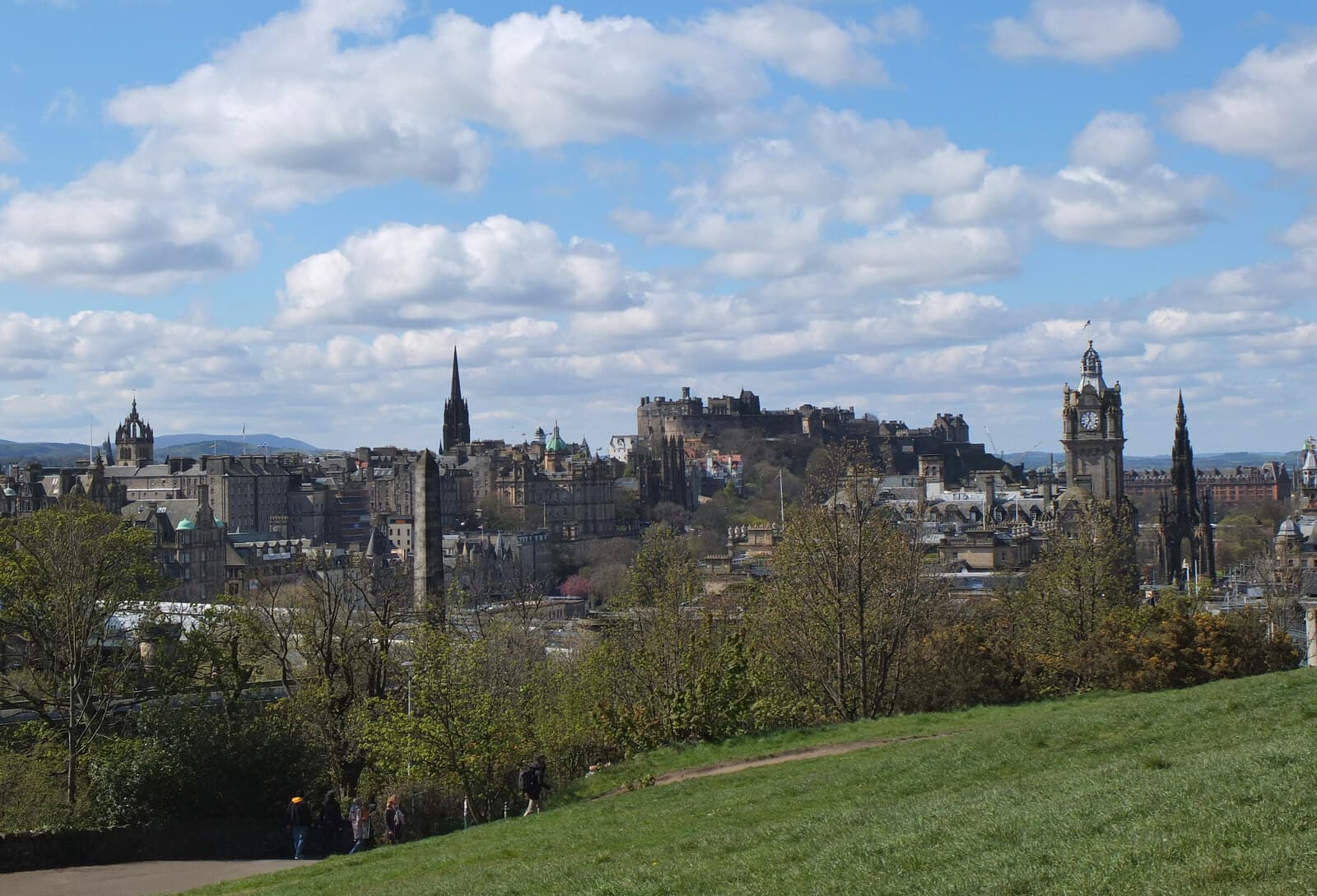
Edinburgh is the densest food and drink destination in Scotland — more restaurants per capita than anywhere outside London, four Michelin stars in a city of 540,000 people, and the only Scottish city with a year-round weekly farmers market culture. The Lothians extend the proposition: East Lothian for the agricultural larder (beef, lamb, vegetables, North Berwick seafood), Midlothian for the brewery cluster, West Lothian for the smaller market towns. The catch: the city books out August (Fringe), December (Christmas Market), and most weekend evenings year-round. This guide is for the trip that isn't 'three nights in August trying to find a restaurant.'
Why Edinburgh & Lothians matters
Edinburgh has a paradox at the centre of its food scene: it's Scotland's tourist capital, which means a hundred restaurants serving haggis-neeps-tatties packages to bus tours — and simultaneously the best-developed independent restaurant scene in the country. Locals know which is which. Visitors don't, and spend a week eating fine.
The serious end of Edinburgh dining concentrates in three neighbourhoods. Leith (the port area, walking distance from the city centre or 10 minutes by tram) holds The Kitchin (Tom Kitchin, 1 Michelin star), Restaurant Martin Wishart (1 Michelin star), and a cluster of more affordable but still ambitious restaurants around The Shore. The Old Town has Timberyard and Aizle for modern Scottish at the upper-middle price tier, plus The Witchery if you're celebrating something. The New Town and Stockbridge have the most-established neighbourhood restaurants (Cafe St Honore is the textbook Edinburgh bistro).
Beyond restaurants, three things make Edinburgh distinctive. First, the weekly markets — Edinburgh Farmers Market (Castle Terrace, Saturday), Stockbridge Market (Sunday), Leith Market (Saturday) — are genuine year-round markets, not pop-ups. Second, the craft drinks cluster: Pilot Brewery in Leith and Vault City (sour specialists) are among Scotland's best breweries; Holyrood and Port of Leith brought malt distilling back to Edinburgh for the first time in over 100 years. Third, the East Lothian larder — within 40 minutes of the city you have working farms (Bellfield, Belhaven, Knowes), the North Berwick fishing harbour, and Glenkinchie Distillery.
The festival calendar shapes everything. Edinburgh Food Festival (July, free entry) is the most accessible event. The Royal Highland Show (June, Ingliston) is Scotland's agricultural showcase. Edinburgh Christmas Market (November-December) is a mixed bag — atmospheric but expensive. August (the Edinburgh Fringe + Edinburgh International Festival) is the worst month to visit for food specifically — every decent restaurant is fully booked weeks ahead.
The region at a glance
Best for
- ✓Anyone wanting the best independent restaurant scene in Scotland
- ✓Craft beer + new-wave gin/whisky drinkers (urban distilling cluster)
- ✓Day-trippers wanting to combine city food and East Lothian countryside
- ✓Festival-aligned visitors (Food Festival in July, Royal Highland Show in June)
Avoid if
- ✕You want a remote rural experience (this is the urban region)
- ✕You're visiting in August without restaurant bookings made months ahead
- ✕You want a Speyside-style distillery tour density (only 3 distilleries here)
- ✕You're on a tight budget — Edinburgh restaurant prices are London-adjacent
Compare with
- Glasgow & Clyde Valley — larger city, less tourist-focused, more affordable, similar craft drink density
- Speyside — rural whisky-led, opposite of Edinburgh in every way
- Fife — just across the Forth, smaller scale, more coastal
Edinburgh & Lothians distilleries worth visiting
Three distilleries within easy reach of central Edinburgh — and all three are recent. Glenkinchie has been the Edinburgh-area Lowland malt for decades (Diageo Classic Malt, 30 minutes south by car). Holyrood (2019) and Port of Leith (2023) brought malt distilling back to Edinburgh itself for the first time in over a century.
Where to eat in Edinburgh & Lothians
Edinburgh's serious independent restaurants book out weeks (often months) ahead, especially during the August festival season. Plan ahead. The picks below are the names that consistently come up among local food writers and that have held their reputations over multiple visits.
The Kitchin
Tom Kitchin's flagship — Michelin-starred since 2007, the textbook 'Nature to Plate' Scottish tasting menu. Book 6-8 weeks ahead.
Restaurant Martin Wishart
Michelin-starred Leith stalwart. Classic French technique applied to Scottish produce — the most refined fine-dining room in the city.
Timberyard
Family-run, family-grown — much of the menu comes from the Radford family's own garden. Foraged, fermented, intelligent. The wine list is exceptional.
Aizle
Seasonal tasting menu in a country-house setting just outside the city. The chef-led, no-choice format is the most committed Scottish-larder experience near Edinburgh.
Cafe St Honore
The textbook Edinburgh neighbourhood restaurant — Neil Forbes has run it since 2007, the menu honours Scottish suppliers. Walkable from anywhere in the New Town.
Ondine
Roy Brett's first-floor seafood restaurant overlooking George IV Bridge. Sustainable Scottish seafood, an oyster bar at the front, and a fish-roast cooked in a Josper grill. Lunch deals are unusually good for a Royal Mile-adjacent address.
Eat, drink and shop in Edinburgh & Lothians: from our guides
22 places named in TasteSCOT’s published guides to Edinburgh and North Berwick. Every card links to the article that recommends it.
Eat
Bertie's
Fish & chipsVictoria Street, Old Town · Edinburgh
Tourist area, but a well-regarded chippy — haddock and black pudding are the orders it's known for.
L'Alba D'Oro
Fish & chipsHenderson Row, New Town · Edinburgh
Multiple-award-winning and going since the 1970s. Queue at peak times.
The Fishmarket
Fish & chipsNewhaven harbour · Edinburgh
Harbour-side, fresh off the boats, slightly premium pricing.
Drink
Blue Blazer
PubSpittal Street, West End · Edinburgh
A traditional pub with rotating Scottish cask ales.
Cloisters
PubBrougham Street, Tollcross · Edinburgh
A former parsonage with six to eight hand-pulls and good value — with £3.50 cask ales during quiet periods.
Sandy Bell's
PubForrest Road, Old Town · Edinburgh
Famous for live folk music — sessions every evening and most afternoons — and it keeps cask ale too. Small, no reservations.
Teuchters Landing
PubThe Shore, Leith · Edinburgh
A converted barge and warehouse on the Shore with a good cask selection and outdoor seating by the water.
The Athletic Arms (Diggers)
PubAngle Park Terrace, Gorgie · Edinburgh
Legendary locals' pub near the cemetery, known for its ales.
The Bow Bar
PubVictoria Street, Old Town · Edinburgh
The best cask ale pub in Scotland and one of the best in the UK — eight hand-pulls and 300+ whiskies. Small, fills up fast.
The Halfway House
PubFleshmarket Close, Old Town · Edinburgh
A tiny pub on the steps between Waverley and the Royal Mile, with always-interesting Scottish ales on.
The Oxford Bar
PubYoung Street, New Town · Edinburgh
No music, no food, just beer in a plain local — the Rebus pub.
Bramble
BarQueen Street, New Town · Edinburgh
The unmarked Queen Street basement that has anchored Edinburgh cocktails for nearly two decades — gin- and whisky-leaning list.
Ghillie Dhu
BarRutland Place, West End · Edinburgh
The obvious starting point for an Edinburgh ceilidh — regular ceilidh nights year-round, always with a Burns Night programme.
Hey Palu
BarBread Street · Edinburgh
Italian aperitivo bar with one of the biggest amaro collections outside Italy and a menu of Negroni variations.
Nauticus
BarDuke Street, Leith · Edinburgh
Leith neighbourhood bar where around 90% of the pour is Scottish, with a menu organised around the port’s old trades.
Panda & Sons
BarQueen Street, New Town · Edinburgh
Barbershop-fronted basement speakeasy whose menu was named the world’s best at the Spirited Awards.
The Devil’s Advocate
BarAdvocate’s Close, Old Town · Edinburgh
Converted Victorian pump house down an Old Town close with over 300 whiskies and a whisky-led cocktail list.
The Last Word Saloon
BarSt Stephen Street, Stockbridge · Edinburgh
Neighbourhood bar from the Bramble founders — creative cocktails and a whisky shelf past a hundred bottles.
Shop
Eddie's Seafood Market
FishmongerRoseneath Street, Marchmont · Edinburgh
Live and fresh fish — one of the fishmongers recommended here for Scottish-landed fish and live langoustines in season.
Welch Fishmongers
FishmongerNewhaven · Edinburgh
Stocks Scottish-landed fish and shellfish — ask where the fish is from and when it was landed; a good fishmonger will tell you.
I.J. Mellis
CheesemongerVictoria Street (also Stockbridge & Morningside) · Edinburgh
The best cheesemonger in Scotland — they mature many cheeses in their own cellars. If you're buying one Scottish cheese, buy it here.
The Store at Fenton Barns
Farm shopFenton Barns, 10 minutes from North Berwick · North Berwick
A cluster of independent food businesses on a converted steading — butcher, fishmonger, bakery, cheese shop and café. The fishmonger sells fish from the East Lothian boats.
Producers worth knowing
Edinburgh's specialist food shops are concentrated in the New Town and Stockbridge, with a handful in the Old Town and the markets. These are the names locals actually buy from — not the tartan-branded tourist shops on the Royal Mile.
Specialist shops
Valvona & Crolla
Elm Row, New Town
Edinburgh's iconic Italian deli — over 90 years on Elm Row, the country's biggest selection of Italian wine and cured meats, a cafe at the back. Tourist-friendly without being touristy.
Crombies of Edinburgh
Broughton Street
Long-established Edinburgh butcher specialising in haggis (winning World Haggis Championship multiple times), sausages, and serious Scottish provenance.
Mary's Milk Bar
Grassmarket, Old Town
Edinburgh's standout gelateria — chef-trained Mary Hilliam runs daily-changing flavours from a Grassmarket counter. Queues are normal; the gelato is worth them.
Craft beer & spirits in Edinburgh & Lothians
Edinburgh's craft beer scene is among Scotland's best — Pilot in Leith and Vault City (sour specialists) are widely stocked, and Stewart Brewing in Loanhead (Midlothian) is the region's longest-established craft brewery. Edinburgh Gin remains Scotland's most-recognised contemporary gin brand.
Breweries
Gins
Towns to visit in Edinburgh & Lothians
Pick a base. Each of these towns has a TasteSCOT food guide; many also appear on our sister sites with travel and companion content — natural next reads when you’re planning a trip.
Edinburgh
Scotland's food and drink capital, with the largest weekly market in the country
North Berwick
East Lothian's seaside food destination — Lobster Shack, Bostock, and the coastal route
Linlithgow
Palace town between Edinburgh and Glasgow — fourth-Saturday market and St Magdalene whisky heritage
Markets & events in Edinburgh & Lothians
Edinburgh is the only Scottish city with a year-round weekly farmers market culture. Three weekly markets in the city plus three monthly markets in the surrounding Lothian council areas.
Farmers markets
Festivals
Royal Highland Show
Scotland's biggest agricultural show and its biggest food event. Over 200,000 visitors across four days. The food hall alone is worth the ticket — hundreds of Scottish producers selling cheese, charcuterie, whisky, gin, beer, baking, and preserves. Also features livestock judging, forestry demonstrations, and a countryside area. Book online ahead — Saturday regularly sells out — and note that all parking must be pre-booked; there are no on-the-day parking sales.
Edinburgh Food Festival
The best free food festival in Scotland. Compact, city-centre, and strong on Scottish producers — cheese, charcuterie, baking, street food, and a good drinks selection. Runs for 10 days in George Square Gardens during Edinburgh's festival season. Less hectic than the Royal Highland Show, more accessible than rural festivals. Go on a weekday for a less crowded experience. No booking required.
Edinburgh Christmas Market
Scotland's largest Christmas market, drawing hundreds of thousands of visitors across six weeks. Mix of Scottish food producers and generic Christmas market fare — quality varies hugely by stall. The Scottish producer stalls (tablet, fudge, smoked salmon, whisky, gin) are the ones worth visiting. Mulled wine and bratwurst are the atmospheric staples. Prices are 2–3x what you'd pay normally. Go for the atmosphere and lights, not the value. Much busier on weekends — weekday evenings are more pleasant.
What’s distinctively Edinburgh & Lothians
Edinburgh restaurant density
Edinburgh has more restaurants per capita than anywhere in the UK outside London — and four Michelin stars across three restaurants (The Kitchin, Martin Wishart, and Number One at the Balmoral) in a city of 540,000. The serious independent scene is concentrated in Leith, the Old Town, and Stockbridge.
East Lothian larder
Within 40 minutes of central Edinburgh you have some of Scotland's most-celebrated farms — Knowes Farm (vegetables), Bellfield Brewery and bakery (Portobello), Belhaven beef and lamb — plus the North Berwick fishing harbour. Restaurants source heavily from East Lothian; visitors rarely realise.
Edinburgh weekly markets
Three weekly markets — Edinburgh Farmers Market (Saturday, Castle Terrace), Stockbridge Market (Sunday), Leith Market (Saturday) — run year-round, not seasonally. Quality and regularity unmatched elsewhere in Scotland.
Edinburgh urban distilling revival
Holyrood Distillery (2019, near Holyrood Park) and Port of Leith (2023, an 8-storey vertical distillery in Leith docks) brought malt whisky production back to Edinburgh for the first time in over a century. Both run distillery tours year-round.
Sour beer (Vault City speciality)
Vault City in Edinburgh is the UK's pre-eminent sour-beer brewery — fruit-forward, modern sour ales that have redefined the category in Scotland. Stocked across Edinburgh beer shops and bars.
When to visit Edinburgh & Lothians
Edinburgh has the sharpest seasonal pricing curve of any Scottish city — August (Fringe) and December (Christmas Market) see hotel rates triple, restaurants book out weeks ahead, and the streets are uncomfortable for casual wandering. Outside those two months, the city is genuinely pleasant year-round. May, June (before the Royal Highland Show), and September are the goldilocks months — good weather, no festivals, restaurants taking walk-ins again.
Visit Edinburgh in February. Cold, atmospheric, quiet, and the best restaurants will take walk-in bookings. Hotels are 40-60% cheaper than peak season. The food scene runs at its best for locals — and you, briefly, get to be one.
Where to stay in Edinburgh & Lothians
Stay in the city centre (Old Town or New Town) for restaurant access and walkability. Leith is the alternative — quieter, cheaper, walking distance to the best fine-dining cluster, but 10-15 minutes by tram or bus from the main sights. Avoid the outer suburbs unless you're driving.
The map is centred on a Edinburgh & Lothians food and drink trip — set your dates on it, or go straight to hotels, B&Bs and self-catering through the providers underneath.
Booking links are affiliate links — we earn a small commission at no extra cost to you.
Luxury
Edinburgh's iconic 5-star hotel above Waverley Station — home to Number One restaurant (1 Michelin star).
Theatrical suite-only hotel beside Edinburgh Castle. Pricey but atmospheric.
Princes Street west end — the 'other' grand Edinburgh hotel, with views of the Castle.
Best value
Serviced apartments in the former Royal Bank of Scotland headquarters — better value for stays of 3+ nights than equivalent hotels.
Reliable mid-range chain hotel in central New Town. Compact rooms, good Wi-Fi, walking distance to everything.
Best for distillery proximity
Leith docks location, walking distance to Port of Leith Distillery and the Kitchin / Martin Wishart restaurant cluster.
Best self-catering
Cottages in North Berwick, Gullane, Aberlady — beach towns with golf courses, 35 minutes from central Edinburgh by car.
Getting to Edinburgh & Lothians
M8 direct (with traffic, allow 1h 15min)
A90 / M90 via the Forth Bridge
A9 via Perth and Stirling
LNER London King's Cross direct to Edinburgh Waverley; or fly LHR/LGW/STN/LCY to EDI
Scotland's busiest airport; direct flights from across Europe and North America. Tram runs every 7 min to the city centre.
Alternative gateway, especially for budget routes. M8 motorway connects to Edinburgh.
Excellent. Edinburgh city centre is walkable; the tram runs from the airport via Princes Street to Leith and Newhaven; buses cover the city and East/West Lothian comprehensively. Trains from Edinburgh Waverley reach North Berwick (35 min), Linlithgow (20 min), and Haddington via Drem (25 min). You don't need a car to visit Edinburgh; you might want one for the rural East Lothian larder visits (Knowes Farm, Bellfield) and for Glenkinchie Distillery (30 min south of the city, public bus exists but takes 1h).
How to plan a Edinburgh & Lothians trip
Long weekend (3 days)
3 daysEasy — walkable city· Best for: First Edinburgh food trip
Long weekend (3 days)
- FridayArrive Edinburgh by train or flight. Drop bags in the city centre. Walk to Stockbridge for a coffee at one of the New Town cafes. Lunch at Cafe St Honore. Afternoon: Holyrood Distillery tour (book ahead). Dinner at Timberyard.
- SaturdayMorning at Edinburgh Farmers Market (Castle Terrace, Saturday). Lunch in the market or at Mary's Milk Bar nearby. Afternoon: Port of Leith Distillery tour (book ahead). Dinner at The Kitchin (Leith) or Restaurant Martin Wishart — book 6+ weeks ahead.
- SundayBrunch in Stockbridge — visit Stockbridge Market (Sunday). Train to North Berwick (35 min) for an afternoon on the East Lothian coast. Lunch at the Lobster Shack (seasonal) or Drift Cafe. Return to Edinburgh; light dinner at Ondine before flight/train home.
Full week (7 days)
7 daysEasy — city + countryside mix· Best for: Restaurant-focus + East Lothian exploration
Full week (7 days)
- Days 1-3Long-weekend itinerary above as the base — restaurants, distilleries, weekly markets.
- Day 4Day trip to Glenkinchie Distillery (30 min south by car). Lunch at the distillery cafe. Afternoon: drive to Linlithgow for a wander around the Palace and West Lothian Linlithgow Farmers Market if timing aligns (third Saturday of month).
- Day 5Aizle for a tasting-menu lunch in the country house (just outside Edinburgh). Afternoon: walk on Arthur's Seat or visit the National Museum of Scotland. Casual dinner at Peatzeria-equivalent — Edinburgh has Civerinos for pizza or one of the Leith neighbourhood bistros.
- Day 6East Lothian larder day. Drive (or hire bike from town) along the coast — North Berwick, Tantallon Castle, Belhaven. Stop at Bellfield Farm Shop or Knowes Farm. Lunch at Drift Cafe. Late afternoon return to Edinburgh. Dinner at Cafe St Honore.
- Day 7Slow morning. Visit Valvona & Crolla for breakfast. Late afternoon flight or train home.
Restaurant weekend (2 days)
2 daysEasy — restaurant-focused· Best for: Two big-dinner weekends
Restaurant weekend (2 days)
- FridayArrive Friday afternoon, train to Edinburgh Waverley. Check into a Princes Street-area hotel. Aperitif at Bramble Bar (cocktails, Queen St, no booking needed). Dinner at Timberyard — fermentation-led modern Scottish, Old Town.
- SaturdayBrunch at Edinburgh Larder. Walk over to the Edinburgh Farmers Market. Coffee at one of the Leith cafes. Afternoon: tour Holyrood Distillery. Late afternoon at the National Galleries. Dinner at The Kitchin or Martin Wishart (Leith) — the destination dinner of the weekend. Return to hotel via Leith tram.
Map
Edinburgh & Lothians FAQ
+When should I avoid visiting Edinburgh?
August (Fringe + International Festival) and the final two weeks of December (Christmas Market + Hogmanay). In both periods hotel rates triple, every decent restaurant books out weeks ahead, and the city centre is uncomfortably crowded. If you must visit in those windows, book restaurants two months ahead and accommodation six months ahead.
+Where's the best Edinburgh restaurant?
Depends on the occasion. For Michelin-level fine dining: The Kitchin or Martin Wishart in Leith — both 1 Michelin star, both book 6+ weeks ahead. For ambitious-but-affordable modern Scottish: Timberyard. For the textbook Edinburgh neighbourhood bistro: Cafe St Honore in the New Town. For seafood: Ondine.
+Can I visit a distillery from central Edinburgh?
Yes — three options. Holyrood Distillery (in the city, walking distance from the Royal Mile, opened 2019) and Port of Leith Distillery (Leith docks, opened 2023, an 8-storey vertical building) are both reachable on foot or by tram. Glenkinchie Distillery (East Lothian, 30 minutes by car or 1 hour by public bus) is the third option and the oldest of the three.
+How many farmers markets does Edinburgh have?
Three weekly markets in the city — Edinburgh Farmers Market (Castle Terrace, Saturday), Stockbridge Market (Sunday), and Leith Market (Saturday) — plus three monthly markets in the surrounding Lothian council areas at Haddington, Linlithgow, and North Berwick. Edinburgh is the only Scottish city with a year-round weekly farmers market culture.
+Is the Edinburgh Food Festival worth attending?
Yes — it's free entry, runs in late July in George Square Gardens (university area), and showcases independent Scottish producers and chefs. Quieter than the Fringe, more food-focused than the Christmas Market, and the easiest food-festival experience in Scotland for a casual visitor.
+What's the difference between Edinburgh and Lothians?
The City of Edinburgh is the council area covering the city itself; the Lothians are the three surrounding council areas — East Lothian (coastal, agricultural, North Berwick + Haddington), Midlothian (south, Loanhead + Penicuik, includes Stewart Brewing), and West Lothian (Linlithgow + Bathgate). For food and drink purposes the city itself is the headline; the Lothians extend the larder and add the wider drive-time perimeter.
+Do I need a car in Edinburgh?
No for the city itself — Edinburgh is walkable, the tram and bus network are excellent, and trains reach North Berwick (35 min), Linlithgow (20 min), and Haddington via Drem (25 min). You'd want a car only for rural East Lothian farm-shop visits (Knowes, Bellfield) and for Glenkinchie Distillery.
+Where should I stay in Edinburgh?
Old Town (Royal Mile, Grassmarket) for atmosphere and walkability to Castle. New Town (Princes St, George St) for restaurants and shops. Leith for the fine-dining cluster (The Kitchin, Martin Wishart) and the distillery (Port of Leith) — 10-15 minutes by tram from the city centre. East Lothian (North Berwick, Gullane) for beach + golf with a 35-minute commute to the city.
Related regions
Speyside
The whisky-led counterpart — rural, distillery-dense, the exact opposite of Edinburgh.
Islay
The whisky island — small, remote, peated. Different trip entirely.
Lowland whisky
The whisky-only depth-page covering Edinburgh distilleries plus the wider Lowland revival.
Edinburgh (town)
The dedicated town page — restaurants, markets, food shops in detail.
Last updated 17 May 2026
How we score →This page contains affiliate links. We earn from qualifying purchases at no cost to you. All recommendations are independent and unsponsored.