Halibut
Hippoglossus hippoglossus
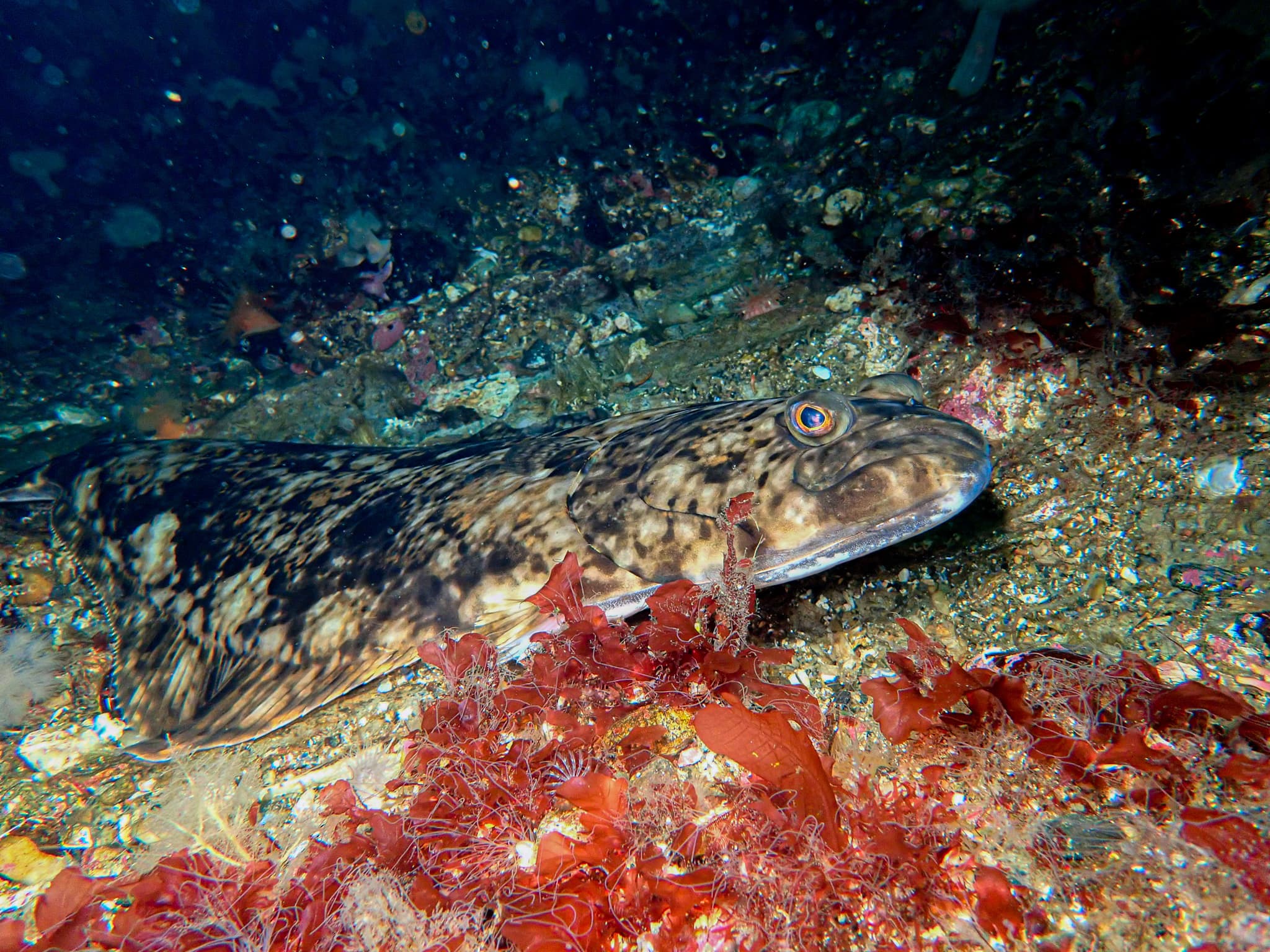
The largest flatfish in UK waters and one of the most expensive. Wild Atlantic halibut is critically endangered and should be avoided — look instead for Gigha Halibut, a Scottish farmed operation on the Isle of Gigha using sustainable land-based recirculating tanks. Meaty, firm, almost steak-like flesh.
At a glance
Wild Atlantic halibut is on the MCS red list. Scottish farmed halibut is the sustainable alternative — quality is very high.
Best choice: Scottish farmed halibut (Shetland or Orkney preferred)
Avoid: Wild Atlantic halibut
Seasonality
Compare every Scottish species month by month in the seasonal seafood calendar.
Best quality: Spring and summer offer the best wild halibut. Farmed Scottish halibut is available year-round.
Best value: Premium price year-round. Wild halibut significantly more expensive than farmed.
Frozen: Farmed Scottish halibut freezes well and is far preferable to imported wild from uncertain sources.
How to buy
- Pure white flesh
- Mild, clean smell
- Firm with slight spring when pressed
Where to buy
Supermarkets: M&S and Waitrose occasionally. Not a regular supermarket product.
How much to buy
Storage
Fridge: 2 days
Freezer: 3 months
Thawing: Overnight in fridge on a rack over a tray.
How to prepare
- →Halibut is a premium fish — do not overcook it.
- →It goes from perfectly translucent to dry very quickly.
Prep time: 5 minutes
Cooking methods
Pan-fry in butter and oil, 3–4 min per side for a 2cm fillet. Rest 2 minutes. Alternatively roast at 190°C, 12 min for a thick steak. Pairs beautifully with brown butter, capers, and lemon.
- Overcooking — the most common and most tragic mistake with halibut
- Using too low a pan heat (creates steaming rather than searing)
Recipes
Pan-fried halibut with brown butter and capers
- Sear fillet in oil, add butter, baste continuously. Finish with capers and lemon.
Roast halibut with crushed peas
- Thick steak roasted at 190°C, served over crushed garden peas with mint and crème fraîche.
Drink pairings
Delicate flesh benefits from equally delicate wine. Avoid heavy oak or high tannin.
Nutrition per 100g
Very lean white fish. Less omega-3 than oily fish but high-quality protein.
The price is significant — halibut is among the most expensive fish you can buy in Scotland. The quality fully justifies it for a special occasion. Buy Scottish farmed without guilt; avoid wild Atlantic.
Halibut vs…
Frequently asked questions
Why is halibut so expensive?
It's a slow-growing fish that takes years to reach market size, and the farmed version requires careful rearing. Wild halibut is critically endangered, which limits supply further.
Is Scottish farmed halibut good?
Yes — Shetland and Orkney farmed halibut is consistently rated among the world's best. The cold, clean Scottish waters produce exceptional quality.
How do I know when halibut is cooked?
The flesh should just turn opaque all the way through. If you see it going white and flaking, you're at the very edge — pull it immediately. Rest 2 minutes before serving.
When is halibut in season?
Peak season for Scottish halibut is April–September. Spring and summer offer the best wild halibut. Farmed Scottish halibut is available year-round.
How much does halibut cost per kg in the UK?
Fresh Scottish halibut typically costs £25–£50 per kg from a fishmonger, depending on size, season and how it's prepared. Per portion that works out around £9–16 per portion. Premium price year-round. Wild halibut significantly more expensive than farmed.
More species guides
Langoustine
Scotland’s most valuable seafood export — and, bafflingly, a product most Scots have never eaten. Also called Dublin Bay prawns, Norway lobster, or scampi in its cheapest incarnation. Fresh, whole langoustines landed on the west coast are one of the great seafood experiences in the world.
Cod (North Sea)
The backbone of Scottish fish and chips. North Sea cod has been through stock collapse and recovery cycles; look for MSC-certified Icelandic or Barents Sea if you’re unsure about provenance.
Scottish Salmon
Scotland’s most exported food product by value. Virtually all salmon you buy is farmed — wild Atlantic salmon is critically endangered and mostly reserved for catch-and-release sport fishing. Look for RSPCA Assured or organic labels for higher welfare.
Native Oyster
The traditional British native oyster is in season when there’s an ‘R’ in the month. Loch Ryan is the last commercially active native oyster bed in Scotland. Meatier, more metallic, and more characterful than the common Pacific rock oyster.
Mackerel
Cheap, sustainable when line-caught, and a brilliant introduction to oily fish cookery. Scottish line-caught mackerel in late summer is one of the best value food items in the country.
King Scallop
Hand-dived scallops from the west coast are one of Scotland’s premier luxuries. Much better than dredged, with zero seabed damage and notably plumper meat. Pay the extra.
Related articles
7 min read
How to Buy Fish from a Fishmonger: A Beginner's Guide
A no-judgement guide to walking into a fishmonger for the first time. What to ask, what to look for, how much to buy, and how not to get ripped off.
7 min read
10 Scottish Fish You Should Be Eating (But Probably Aren't)
Beyond salmon and haddock, Scotland's waters produce extraordinary fish that most Scots have never cooked. Here are 10 underrated species, where to buy them, and what to do with them.
7 min read
The Best Scottish Seafood Delivery Services: A Buying Guide
Scotland exports most of its best seafood. How to get langoustines, scallops and fresh fish delivered to your door — the suppliers who ship direct.
Some links on this page are affiliate links. TasteSCOT may earn a small commission at no extra cost to you. If you drink, please drink responsibly.