Native Oyster
Ostrea edulis
Last updated 16 May 2026
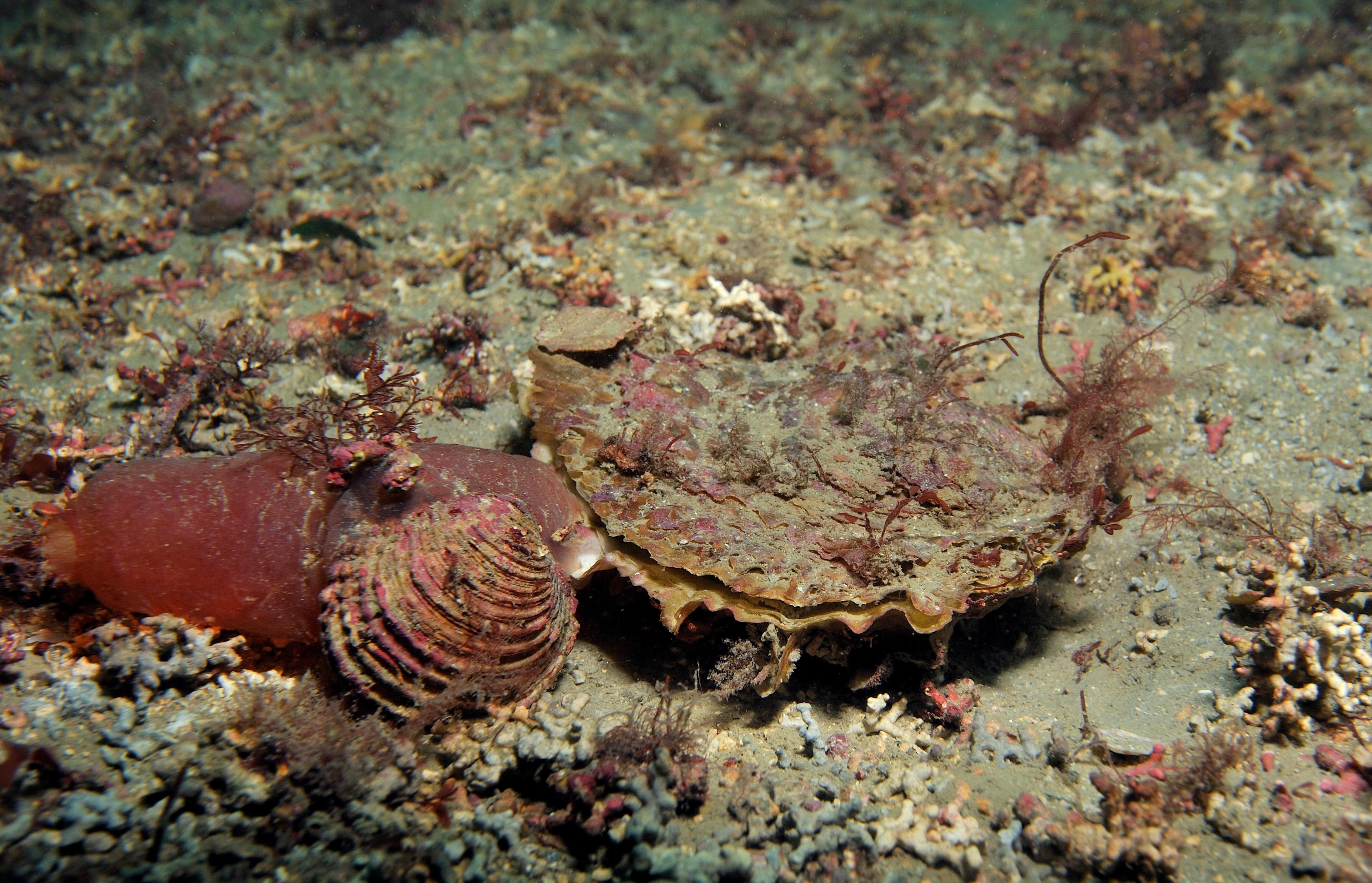
The traditional British native oyster is in season when there’s an ‘R’ in the month. Loch Ryan is the last commercially active native oyster bed in Scotland. Meatier, more metallic, and more characterful than the common Pacific rock oyster.
At a glance
Native oysters are an MCS conservation priority — Loch Ryan is one of the few remaining sustainable fisheries. Pacific oysters (the more common variety) are farmed and far more abundant but a different species.
Best choice: Loch Ryan native oysters from a registered Scottish supplier. The fishery is one of the conservation success stories of Scottish shellfish.
Avoid: Avoid wild-collected native oysters from outside registered fisheries — populations are still recovering.
Seasonality
Compare every Scottish species month by month in the seasonal seafood calendar.
Best quality: Best quality September–March in cold months when the meat is firm and clean. The "R in the month" rule still holds for native oysters (Ostrea edulis) which spawn in summer.
Best value: Cheapest October–February when supply peaks. Avoid May–August when wild natives are out of season and quality dips.
Frozen: Frozen oysters lose almost everything that makes them special. Only fresh, live, in-shell oysters are worth buying.
How to buy
- Tightly closed shells (open = dead, discard)
- Heavy with seawater inside
- Clean smell of the sea — never sour
- Shell intact, no cracks
- Plump meat that retracts when prodded
- Open or gaping shells (dead — bin them)
- Sour or strong smell
- Cracked or damaged shells
- Pre-shucked oysters in pots (degraded)
- Frozen oysters
Fresh vs frozen: Live, in-shell only. Pre-shucked or frozen oysters lose everything that makes them worth eating.
Where to buy
Supermarkets: Waitrose stocks Pacific oysters by the dozen (£12–15/dozen). Native oysters are very rarely supermarket-available.
How much to buy
Most of the weight is shell. Buy by the dozen, not by weight.
Storage
Fridge: Live oysters keep 5–7 days in the fridge if stored correctly: cup-side down, covered with damp cloth, never in standing water.
Freezer: Don't freeze.
Thawing: Not applicable.
How to prepare
Tap any open shells — they should close. If they don't, discard. Dead oysters are a serious food poisoning risk.
Use an oyster knife. Wrap the oyster in a thick cloth, cup-side down. Insert the knife at the hinge, twist firmly to pop. Slide knife along to release the meat.
The seawater inside the oyster (the liquor) is the flavour. Keep it. Loose oysters with no liquor have lost the best part.
Oysters lose freshness within minutes of shucking. Shuck just before serving.
- →Wear a heavy glove — oyster knives slip
- →Practice on cheap Pacific oysters before doing a dozen Loch Ryans for guests
- →Save the shells — they're great for serving any other shellfish
Prep time: 5–10 minutes to shuck a dozen oysters with practice. Allow 15+ for beginners.
Cooking methods
Shuck and serve immediately on a bed of crushed ice. Lemon, mignonette (red wine vinegar with finely chopped shallots), or just a black pepper grinder.
The classic. The only way to do native oysters justice.
Top shucked Pacific oysters with garlic butter and parmesan. Grill 4–5 minutes until cheese melts and bubbles. Don't do this to native oysters — it's a waste.
People who can't do raw. Use Pacific oysters.
Drain shucked oysters. Dip in tempura batter. Fry at 180°C for 90 seconds until pale gold. Serve with ponzu.
Showpiece dish. Use Pacific oysters.
- Eating dead oysters (open shells that don't close) — serious food poisoning risk
- Cooking native oysters — destroys what makes them special
- Discarding the liquor when shucking — that's the flavour
- Buying frozen oysters — they're a different (worse) product
Recipes
Native Oysters with Mignonette
- · 12 native oysters (Loch Ryan)
- · 4 tbsp red wine vinegar
- · 1 small shallot (very finely chopped)
- · 1 tsp cracked black pepper
- · Crushed ice to serve
- · Lemon wedges (optional)
- Mix vinegar, shallot, and black pepper. Rest 10 minutes for flavours to meld.
- Shuck oysters, keeping the liquor in the deeper half-shell.
- Arrange on a bed of crushed ice.
- Spoon a tiny amount of mignonette onto each oyster (or serve alongside).
- Eat immediately. No cooking.
A teaspoon of mignonette is enough. The oyster does the work.
Pairs with: Muscadet or Champagne
Grilled Pacific Oysters with Parmesan and Garlic Butter
- · 12 Pacific oysters
- · 60g butter
- · 2 garlic cloves (minced)
- · 40g parmesan (finely grated)
- · 2 tbsp parsley (chopped)
- · Black pepper
- · Lemon wedges
- Heat the grill to high.
- Shuck oysters, keeping them in the deeper half-shell with their liquor.
- Mix softened butter with garlic, parmesan, and parsley.
- Top each oyster with a teaspoon of the mix.
- Grill 4–5 minutes until bubbling and golden.
- Serve with lemon wedges and bread.
Use Pacific oysters — never do this to native ones. The grill cheese is the entry-level oyster experience.
Pairs with: Sancerre or a dry Riesling
Cook it in
Scottish dishes native oyster belongs in, and why.
Serve with
Native oysters need almost nothing. A grind of pepper and a squeeze of lemon is plenty.
Drink pairings
Native oysters demand mineral whites or coastal whisky. Avoid sweet or oaky wines — they fight the natural salinity.
Nutrition per 100g
Famously high in zinc — a single oyster supplies a substantial portion of the daily requirement. Also rich in B12, iron, and selenium.
Allergen
Oysters are molluscs — one of the 14 major UK allergens. Contains: Molluscs. Raw oysters carry a small risk of vibrio and norovirus; pregnant women, immunocompromised people, and very young children should avoid them raw. Allergen info varies by supplier — always confirm with your seller.
Native oysters from Loch Ryan are one of Scotland's great food experiences and one of its best conservation stories. The native oyster (Ostrea edulis) was nearly fished to extinction in UK waters; Loch Ryan's small, hand-dredged fishery is a model for how to bring it back. They're roughly twice the price of Pacific oysters and properly different — meatier, sweeter, more complex. If you're going to eat oysters at all, eat native at least once. Buy from Loch Ryan, learn to shuck, serve with nothing but a grind of pepper.
Native oysters were cheap working-class food in Victorian Britain — over-fishing reduced wild stocks to near-zero by the 20th century. Loch Ryan in southwest Scotland holds one of the few remaining sustainable native oyster fisheries in the UK. It is hand-dredged under careful management to ensure stocks recover.
- · Native oysters can change sex during their lifetime
- · A single oyster can filter 50 litres of seawater per day
- · The "R in the month" rule (only eat oysters in months with R) still holds for native oysters — they spawn in summer
- · Loch Ryan is the largest remaining native oyster fishery in Scotland
Native Oyster vs…
Pacific oysters are larger, milder, and farmed in volume. Native oysters are smaller, sweeter, more complex — and twice the price. Both have their place.
Different experience. Mussels are cooked, oysters raw. Mussels far cheaper but never approach the experience of a properly shucked native oyster.
Frequently asked questions
What's the difference between native and Pacific oysters?
Native oysters (Ostrea edulis) are the indigenous British species — round, flat, smaller, with a more complex flavour. Pacific oysters (Crassostrea gigas) are introduced from Japan, larger, more elongated, milder, and the standard restaurant oyster. Pacific are farmed; native are mostly wild-fished.
Why is the "R in the month" rule a thing?
Native oysters spawn during the summer months (May, June, July, August — months without an R). During spawning the meat becomes milky and less pleasant to eat. The rule applies to native oysters; Pacific oysters can be eaten year-round.
How do you shuck an oyster?
Wrap the oyster in a thick cloth with the cup-side down. Insert an oyster knife at the hinge. Twist firmly until the shell pops. Slide the knife along the inside of the top shell to free the meat. Keep the liquor (the seawater inside).
Can you eat oysters raw?
Yes — that's the classic and best way. Only buy from registered, traceable sources (Loch Ryan, Loch Fyne, etc.) and only eat live oysters with tightly closed shells.
How many oysters per person?
A starter portion is 6 oysters per person. A main course is 12. A "dozen" is the traditional buying unit.
Where can I buy native oysters in Scotland?
Loch Ryan Oysters direct, Loch Fyne, and specialist fishmongers in Edinburgh and Glasgow. Most "oysters" in supermarkets are Pacific — native are rarer and more expensive.
How much does native oyster cost per kg in the UK?
Fresh Scottish native oyster typically costs £40–£80 per kg from a fishmonger, depending on size, season and how it's prepared. Per portion that works out around £2–4 per native oyster (Loch Ryan). £1.50–2.50 per Pacific oyster. About £8–12 per person for a starter dozen.. Cheapest October–February when supply peaks. Avoid May–August when wild natives are out of season and quality dips.
More species guides
Langoustine
Scotland’s most valuable seafood export — and, bafflingly, a product most Scots have never eaten. Also called Dublin Bay prawns, Norway lobster, or scampi in its cheapest incarnation. Fresh, whole langoustines landed on the west coast are one of the great seafood experiences in the world.
Cod (North Sea)
The backbone of Scottish fish and chips. North Sea cod has been through stock collapse and recovery cycles; look for MSC-certified Icelandic or Barents Sea if you’re unsure about provenance.
Scottish Salmon
Scotland’s most exported food product by value. Virtually all salmon you buy is farmed — wild Atlantic salmon is critically endangered and mostly reserved for catch-and-release sport fishing. Look for RSPCA Assured or organic labels for higher welfare.
Mackerel
Cheap, sustainable when line-caught, and a brilliant introduction to oily fish cookery. Scottish line-caught mackerel in late summer is one of the best value food items in the country.
King Scallop
Hand-dived scallops from the west coast are one of Scotland’s premier luxuries. Much better than dredged, with zero seabed damage and notably plumper meat. Pay the extra.
Brown Crab
Scotland's most important crab species and the meaty workhorse of British shellfish cookery. UK-creel-caught brown crab has one of the best sustainability profiles of any commercial seafood — low-impact pot fishing, healthy stocks. White claw meat is sweet and firm; brown body meat is rich and intense.
Where to eat native oyster in Scotland
The flagship for Scottish oysters — their own beds on Loch Fyne, served by the half-dozen with shallot vinegar. Buy raw from the shop on your way out. The original (not the chain).
Visit siteListed Victorian interior of tiled murals and stained glass. Half-dozen Loch Ryan natives or Pacifics with lemon, mignonette and a stout.
Visit siteRoy Brett's George IV Bridge dining room. Oyster selection rotates through Loch Fyne, Cumbrae, and Loch Ryan natives when in season. Sit at the crustacean bar.
Visit siteTiny, loud, brilliant. Oysters by the half-dozen alongside crab claws and pints of Guinness. Walk-ins only at the bar.
Visit siteTucked on Loch Fyne's western shore. Oysters straight from the loch, eaten with a view of the water they were pulled from.
Visit siteRelated articles
7 min read
Scottish Oysters: A Beginner's Guide to Buying and Eating Them
Scotland produces some of the finest native and rock oysters in Europe. If you've never eaten one raw, here's everything you need to know — where to buy, how to open, and what they actually taste like.
6 min read
Langoustine vs Lobster: Taste, Price & Which to Buy
The honest answer: langoustines are sweeter, easier to eat and about half the price; lobster gives you more meat and the bigger occasion. Which to buy, when.
6 min read
Langoustine vs Prawn: Is a Langoustine a Prawn or Lobster?
A langoustine (Nephrops norvegicus) is not a prawn: it is a small clawed lobster, also sold as Norway lobster, Dublin Bay prawn or scampi. How they differ.
Some links on this page are affiliate links. TasteSCOT may earn a small commission at no extra cost to you. Native Oyster is a major allergen — see allergen advice above.If you drink, please drink responsibly.