King Scallop
Pecten maximus
Last updated 16 May 2026
Hand-dived scallops from the west coast are one of Scotland’s premier luxuries. Much better than dredged, with zero seabed damage and notably plumper meat. Pay the extra.
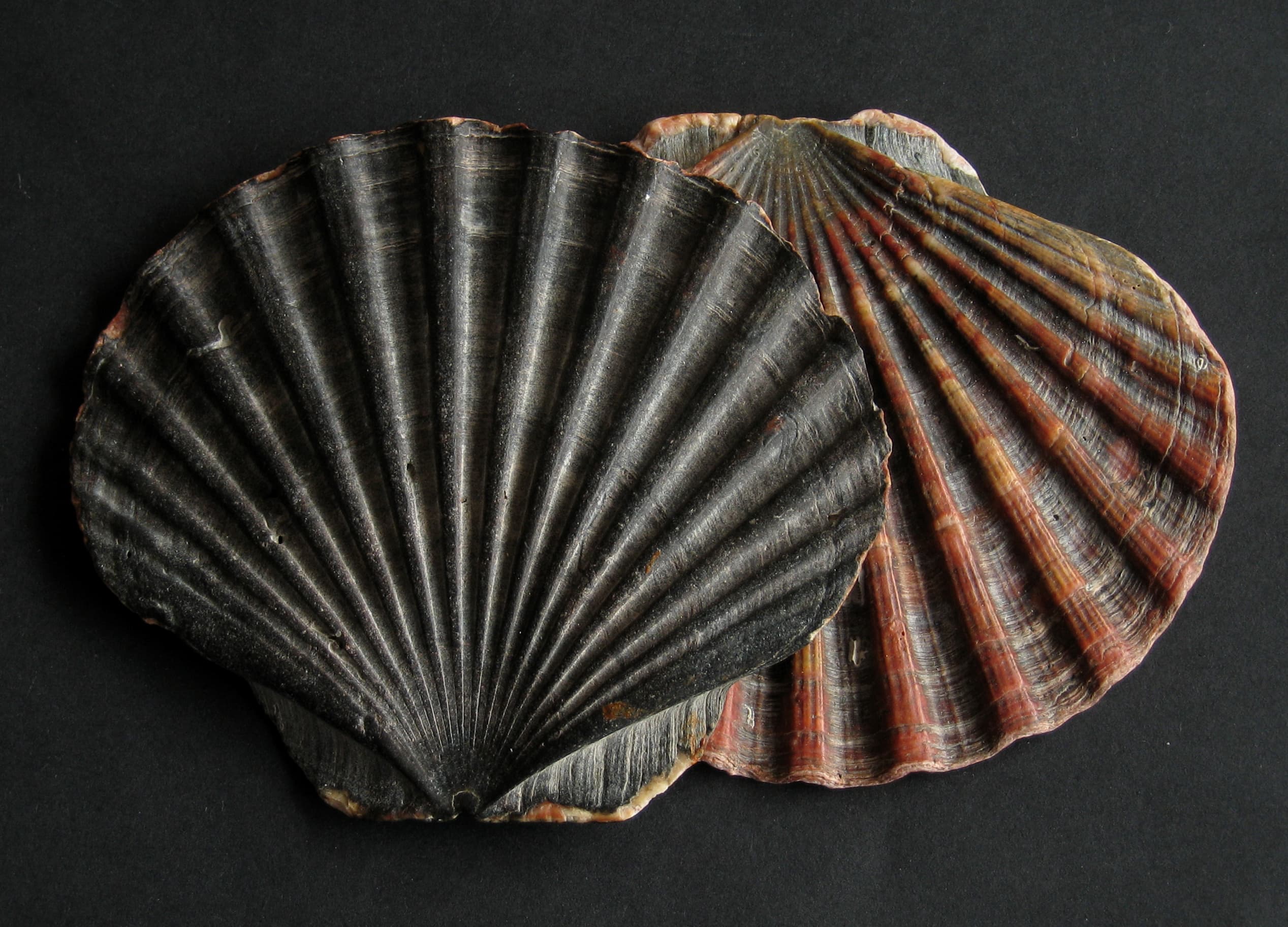
At a glance
Hand-dived scallops are MCS 1–2 (best choice). Dredged scallops score MCS 4–5 (avoid) due to seabed destruction and bycatch. The label "diver-caught" or "hand-dived" is the single most important thing to look for.
Best choice: Hand-dived from the Inner Hebrides (Mull, Skye, Coll, Tiree). These are the gold standard for both flavour and sustainability.
Avoid: Avoid dredged scallops, especially from the Irish Sea. The damage to the seabed is catastrophic and the meat quality is far worse.
Seasonality
Compare every Scottish species month by month in the seasonal seafood calendar.
Best quality: Best quality November–March when the cold water makes scallops dense and sweet. Roe is fullest December–February.
Best value: Cheapest December–February when the season peaks. Avoid summer fresh — the meat is thinner and watery.
Frozen: Frozen-at-sea hand-dived scallops are excellent year-round and far cheaper than fresh. Quality is genuinely good — better than poor-quality fresh.
How to buy
- Plump, ivory-white meat with a hint of pink
- Firm to the touch, never slimy
- Sweet, faintly oceanic smell
- Bright orange roe (if attached) — never grey or dull
- No black or grey edges on the meat
- Wet, glossy scallops sitting in liquid (treated with sodium tripolyphosphate)
- Greyish or dull white meat
- Fishy or ammonia smell
- Dredged scallops if hand-dived is available
- 'Scallops in shell' that smell faintly off — a major spoilage risk
Fresh vs frozen: Hand-dived fresh from a trusted fishmonger is the gold standard. Frozen-at-sea hand-dived scallops are the second-best option and far better than poor-quality fresh.
Where to buy
Supermarkets: Waitrose stocks hand-dived (£3–4 each, around £55/kg). Most supermarket scallops are dredged or processed (treated with sodium tripolyphosphate to retain water).
How much to buy
Scallop weight refers to the white meat only. The roe (orange tongue) is included in the weight when sold "scallop with roe".
Storage
Fridge: Cook on day of purchase. If you must, store on ice for max 24 hours.
Freezer: Up to 3 months. Freeze raw, individually on a tray, then bag once frozen.
Thawing: Thaw in fridge overnight. Pat dry thoroughly before cooking — wet scallops will steam, not sear.
How to prepare
Critical step. Wet scallops will steam, not sear. Use kitchen paper, both sides.
There is a small, tougher rectangle of muscle on the side of each scallop. Pinch it off and discard — it goes chewy when cooked.
The orange roe (coral) is edible and delicious. Some prefer it, some remove it. If keeping, cook it with the white meat for the same time.
Salt the scallops only when the pan is hot. Salting earlier draws moisture out and ruins the sear.
- →A blazing-hot, dry pan is the single most important factor for a good sear
- →Don't crowd the pan — work in batches if needed
- →A 90-second sear per side is the rule for scallops over 30g
Prep time: 5 minutes including patting dry and removing side muscles.
Cooking methods
Heat a dry, heavy pan until smoking. Add a splash of neutral oil. Lay scallops in, don't move them. Sear 90 seconds, flip, add a knob of butter, baste, sear 60–90 seconds more. Rest 30 seconds. Serve.
The classic. Maximum flavour with a perfect crust.
Place live scallops on a barbecue or under a hot grill in their bottom shell. Top with garlic butter, breadcrumbs, and parsley. Cook 4–5 minutes until the meat firms and the breadcrumbs colour.
Sharing platters and barbecues.
Slice raw scallops thinly across the grain. Dress with olive oil, lemon, sea salt, and a pinch of chilli or yuzu. Only with sashimi-grade fresh hand-dived specimens.
Adventurous eaters. Showcases the natural sweetness.
Steam scallops over boiling water for 3–4 minutes. Most delicate method but no caramelisation.
Asian-style dishes with ginger and soy.
- Cooking wet scallops — they steam instead of searing. Pat dry, always.
- Moving them in the pan — leave them alone for 90 seconds and a crust forms.
- Buying treated (wet) scallops — they leach water and never sear properly.
- Overcooking — 90 seconds per side is the rule. Past 3 minutes total they go rubbery.
Recipes
Pan-seared Scallops with Black Pudding
- · 6 hand-dived king scallops
- · 4 slices Stornoway black pudding (1cm thick)
- · 1 tbsp neutral oil
- · 30g butter
- · Pea purée or apple purée to serve
- · Sea salt
- Pat scallops completely dry. Remove side muscle if attached.
- Heat a dry, heavy pan until smoking.
- Sear black pudding 1 minute per side, set aside.
- Add oil to the pan, lay scallops in. Sear 90 seconds.
- Flip, add butter, baste continuously. Cook 60–90 seconds.
- Serve scallops on the black pudding with a smear of pea or apple purée.
The Scottish classic. Stornoway black pudding is the key — softer and meatier than the cheap stuff.
Pairs with: Chablis or Sancerre
Scallop Ceviche with Lime and Chilli
- · 8 hand-dived king scallops (sashimi-grade)
- · Juice of 3 limes
- · 1 red chilli (deseeded, finely chopped)
- · 1 small red onion (finely diced)
- · Coriander leaves
- · 4 tbsp olive oil
- · Sea salt
- Slice scallops thinly across the grain.
- Combine lime juice, chilli, and red onion.
- Pour over scallops 5 minutes before serving — they will go opaque at the edges.
- Drizzle with olive oil, scatter coriander, season with sea salt.
Don't marinate longer than 5 minutes. Lime cooks the scallops; over-marinated they go tough.
Pairs with: Albariño or Picpoul
Cook it in
Scottish dishes king scallop belongs in, and why.
Serve with
Scottish classic: scallops with Stornoway black pudding and a smear of pea purée. Hard to beat.
Drink pairings
Scallops are sweet and delicate — keep wines crisp, mineral, and unoaked.
Nutrition per 100g
High protein, low fat, rich in vitamin B12 and selenium. One of the leanest premium proteins available.
Allergen
Scallops are molluscs — one of the 14 major UK allergens. Contains: Molluscs. If serving raw (ceviche/sashimi), use only sashimi-grade hand-dived scallops from a trusted supplier and consume within hours of purchase. Allergen info varies by supplier — always confirm with your seller.
Hand-dived scallops are one of the best things you can eat in Scotland. They're not cheap — £3–4 per scallop — but they cook in 3 minutes and they're far better than anything you'll get in most restaurants. Dredged scallops are an entirely different (worse) product, regardless of price. Always pay the extra for hand-dived. The flavour difference is enormous and the environmental difference is even bigger.
Scotland's scallop industry is split politically. Hand-divers (mostly small-scale, family operations) and dredge boats (industrial) are at constant odds. Marine Conservation Society advocacy has shifted consumer behaviour towards hand-dived in the last decade — but most supermarket scallops are still dredged.
- · A scallop has up to 200 small blue eyes around its shell
- · They can swim by clapping their shells together — surprisingly fast
- · The largest king scallops are over 15cm across and 25 years old
- · The orange "roe" or coral is actually the reproductive organ — and is delicious
King Scallop vs…
Langoustines are sweeter but have a different texture — more like prawn than the dense bite of a scallop. Both pair with similar wines.
Lobster is meatier and richer; scallops are sweeter and more delicate. Hand-dived scallops are roughly half the price of lobster per portion.
Frequently asked questions
What is the difference between hand-dived and dredged scallops?
Hand-dived scallops are picked individually by divers from the seabed. Dredged scallops are caught by towing heavy metal cages along the seabed. Hand-dived are larger, undamaged, and far more sustainable. The dredge method causes severe seabed damage. Hand-dived scallops typically cost twice as much but are dramatically better.
How many scallops per person?
As a starter: 3 scallops per person. As a main course: 5–6 scallops per person. Allow 250–300g per person as a main.
Can you eat scallops raw?
Yes — scallop crudo or ceviche is excellent with sashimi-grade hand-dived specimens. Never eat raw scallops that have been previously frozen or treated with sodium tripolyphosphate.
How do you cook scallops?
The pan-sear is the classic: pat scallops completely dry, heat a heavy pan until smoking, add oil, lay scallops in, sear 90 seconds without moving, flip, add butter, baste, cook 60–90 seconds more. Rest 30 seconds before serving.
Why are some scallops "wet"?
Treated scallops are soaked in sodium tripolyphosphate to plump them up with water. They look bigger but they leach water in the pan and never sear properly. Look for "dry-packed" or "diver-caught" scallops to avoid this.
Should you eat the orange part of a scallop?
Yes — the orange 'coral' or roe is delicious and the most flavourful part of the scallop. Some chefs remove it for plating but the flavour is excellent. Always cook it with the white meat at the same time.
When are Scottish scallops in season?
Year-round but best November–March when cold water makes the meat dense and sweet. The roe is fullest December–February. Avoid summer fresh — the scallops are thinner and watery.
Where can I buy hand-dived scallops in Scotland?
Online: Fish Brothers, Inverlussa Mussels (Mull), Loch Fyne. In person: Oban harbour fishmongers, Mallaig, Ullapool. Waitrose stocks hand-dived in supermarkets at around £3.50 per scallop.
How much does king scallop cost per kg in the UK?
Fresh Scottish king scallop typically costs £30–£60 per kg from a fishmonger, depending on size, season and how it's prepared. Per portion that works out around £3–4 per hand-dived scallop. £6–8 per person as a starter (3 scallops). £12–16 per main (5–6 scallops).. Cheapest December–February when the season peaks. Avoid summer fresh — the meat is thinner and watery.
More species guides
Langoustine
Scotland’s most valuable seafood export — and, bafflingly, a product most Scots have never eaten. Also called Dublin Bay prawns, Norway lobster, or scampi in its cheapest incarnation. Fresh, whole langoustines landed on the west coast are one of the great seafood experiences in the world.
Cod (North Sea)
The backbone of Scottish fish and chips. North Sea cod has been through stock collapse and recovery cycles; look for MSC-certified Icelandic or Barents Sea if you’re unsure about provenance.
Scottish Salmon
Scotland’s most exported food product by value. Virtually all salmon you buy is farmed — wild Atlantic salmon is critically endangered and mostly reserved for catch-and-release sport fishing. Look for RSPCA Assured or organic labels for higher welfare.
Native Oyster
The traditional British native oyster is in season when there’s an ‘R’ in the month. Loch Ryan is the last commercially active native oyster bed in Scotland. Meatier, more metallic, and more characterful than the common Pacific rock oyster.
Mackerel
Cheap, sustainable when line-caught, and a brilliant introduction to oily fish cookery. Scottish line-caught mackerel in late summer is one of the best value food items in the country.
Brown Crab
Scotland's most important crab species and the meaty workhorse of British shellfish cookery. UK-creel-caught brown crab has one of the best sustainability profiles of any commercial seafood — low-impact pot fishing, healthy stocks. White claw meat is sweet and firm; brown body meat is rich and intense.
Where to eat king scallop in Scotland
Michael Smith's tiny dining room on the Waternish peninsula. Hand-dived Skye scallops are a fixture — usually seared, sometimes raw with seaweed butter. Book months ahead.
Visit sitePam Brunton's Loch Fyne kitchen. Hand-dived scallops from Loch Fyne divers cooked over fire. Stay overnight in the cottage rooms.
Visit siteCarla Lamont's Mull restaurant — the scallops on the plate were likely caught by her husband John that morning. Open seasonally.
Visit siteHand-dived scallops as a starter — seared, served with cauliflower or black pudding. Roy Brett insists on diver-caught only.
Visit siteEast Coast take on hand-dived scallops — often with cured pork or sea vegetables on the tasting menu.
Visit siteRelated articles
8 min read
Scallops and Black Pudding: The Scottish Pairing, and How to Sear a Scallop
West coast scallops seared hard and served on Stornoway black pudding. Why the pairing works, the three things that ruin a scallop, and how to buy them dry-packed.
9 min read
The Scottish Seafood Export Paradox
Scotland exports 80% of its seafood — langoustines to Spain, salmon to France, scallops to China. Meanwhile, Scots eat frozen fish fingers. Here's why, and how to buy back in.
7 min read
10 Scottish Fish You Should Be Eating (But Probably Aren't)
Beyond salmon and haddock, Scotland's waters produce extraordinary fish that most Scots have never cooked. Here are 10 underrated species, where to buy them, and what to do with them.
Some links on this page are affiliate links. TasteSCOT may earn a small commission at no extra cost to you. King Scallop is a major allergen — see allergen advice above.If you drink, please drink responsibly.